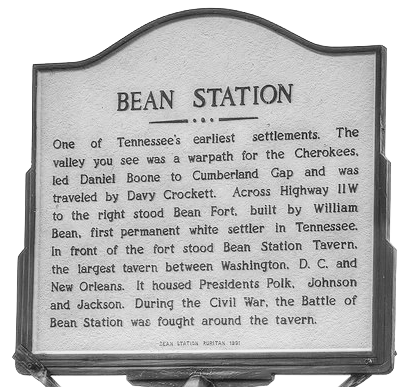
The history of the United States and agriculture are inseparable, and Tennessee has been a part of that timeline from almost the beginning. Far from the hustle and bustle of Philadelphia in 1776, William Bean, a friend and companion of Daniel Boone, built a cabin in Tennessee at the confluence of the Wilderness Road and the Great Warrior’s Path (also known as the Seneca Trail). Bean Station would become the first permanent settlement established in the state by a person of European ancestry.
1776
Independence! Our first president, George Washington, was a farmer.
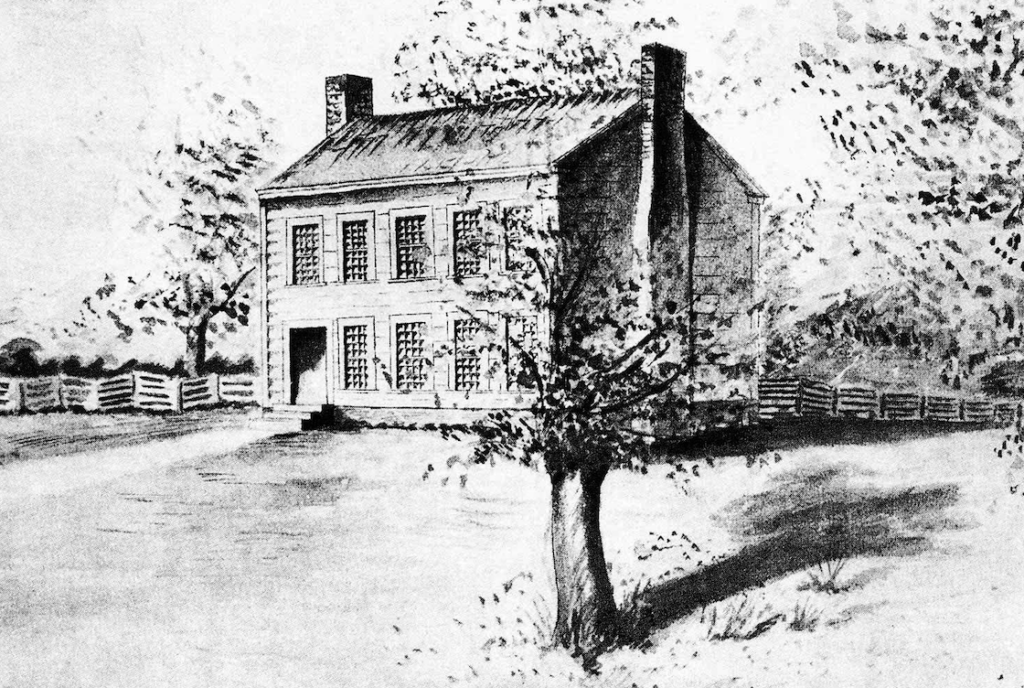
William Bean build a cabin near the Holston River in the territory that became Tennessee in 1796. Bean station would become a popular stop for settlers.
1794
Blount College, later renamed the University of Tennessee, is founded. An original trustee, Francis Alexander Ramsey of Knox County, was a farmer.
1796
Tennessee becomes the sixteenth state. Agriculture’s importance is emblazoned on the state’s seal in 1802.
1837
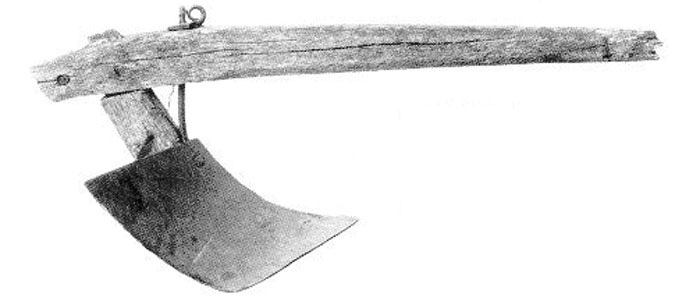
John Deere, of Grand Detour, Illinois, invents the steel-tipped plow, enabling faster tillage of hard soil.
1862
The Morrill Land-Grant College Act paves the way for agricultural education nationally.
1865
The end of the Civil War and advances in mechanization transform agriculture’s labor structure.
1869
The transcontinental railroad allows affordable access to national and international markets, accelerating a shift toward commercial and mechanized agriculture.
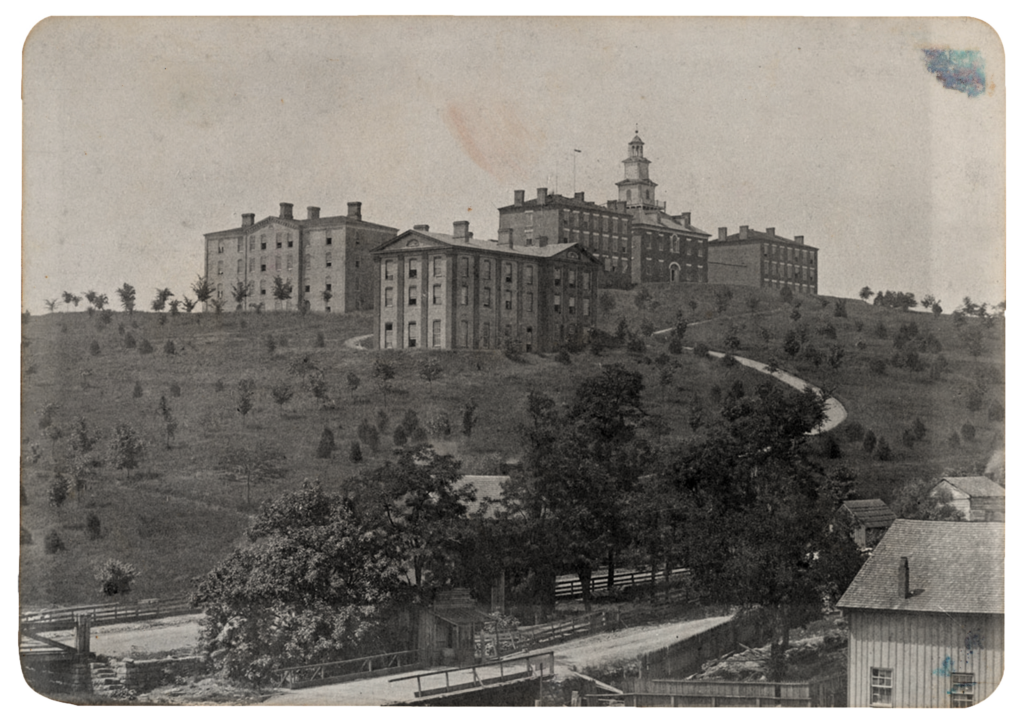
The University of Tennessee comes the state’s first land-grant institution.
1877
Nineteen farmers form the Goodlettsville, Tennessee, Lamb & Wool Club, recognized as the nation’s first farmer-owned livestock marketing cooperative.
1882
Tennessee establishes an agricultural experience station in Knoxville. Now called the East Tennessee AgResearch and Education Center, the facility is the first of ten across the state that together cover approximately 35,000 acres of land.
1887
UT President Charles Dabney advocates for industrial education and requires undergraduate instruction to include coursework from the newly formed College of Agriculture, Mechanic Arts and Sciences.
The Hatch Act supports the founding of agricultural experience stations nationally.
1890
The second Morrill Act designates nineteen historically Black college and universities as additional land-grant institutions.
1910
County-based Extension work begins in Tennessee.


1912
Tennessee State University is founded. The historically Black college achieves full land-grant status in 1958.
1914
Smith-Level Act establishes Cooperative Extension nationally.
1919
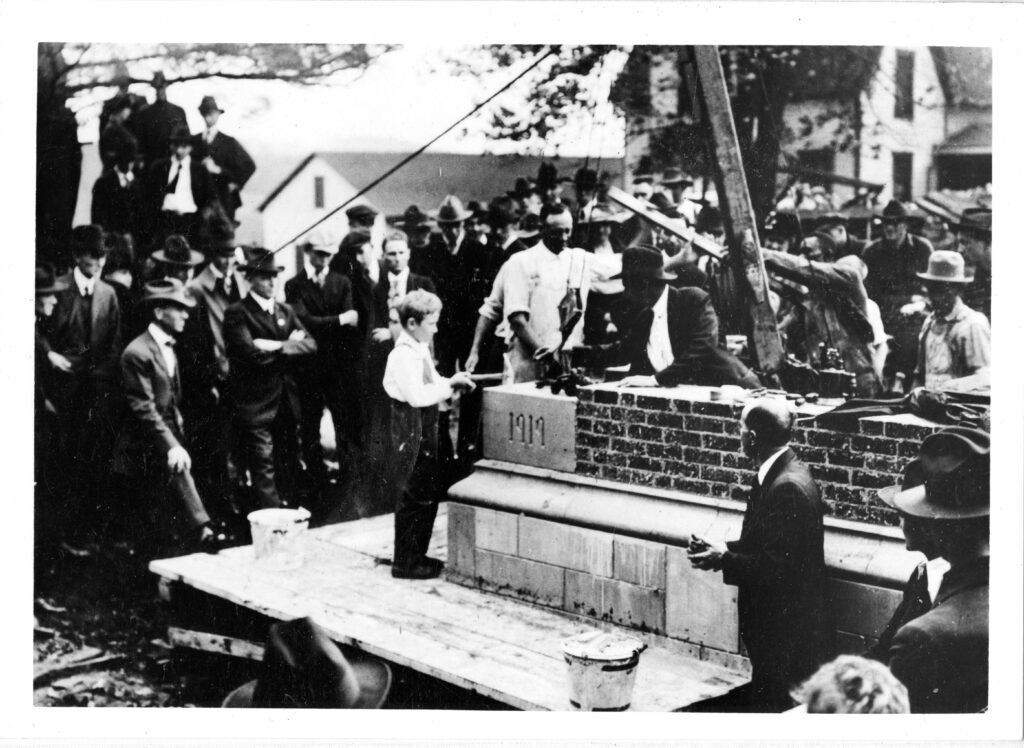
The cornerstone for Morgan Hall was laid November 1, 1919.
1921
The Tennessee Farm Bureau Federation organizes with 3,367 members. Today it’s the largest farm bureau in the nation.
1933
The Tennessee Valley Authority brings electrification, land management, and improved rural life to the nation’s fifth largest waterway system, the Tennessee River.
1945
The Tennessee Farmers Cooperative is founded, shifting commerce towards industrial agriculture and collective purchasing.

1968
The UT Institute of Agriculture is established to coordinate the university’s agricultural research, teaching, and Extension programs.
1974
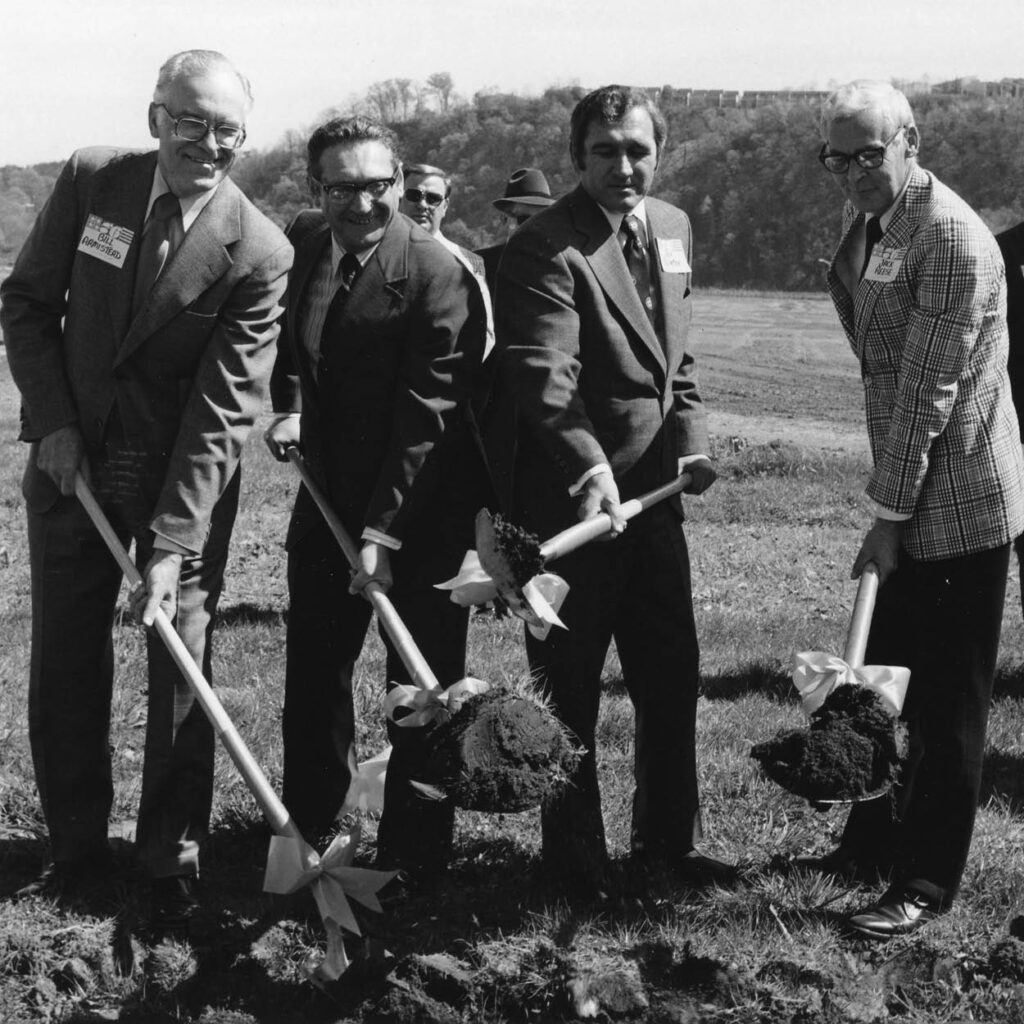
UT College of Veterinary Medicine is established as the fourth unit of the UT Institute of Agriculture.
1981
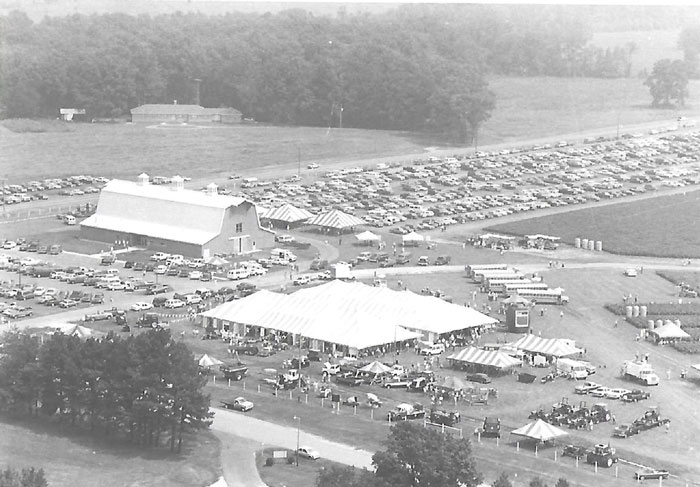
UT Hosts the first UT Milan No-Til Field Day, the nation’s largest event dedicated to conservation tillage. The event highlights research and equipment while addressing a national need to conserve soil along the Mississippi River watershed.
1994
Congress extends land-grant status to include tribal college and universities.
2000
UTIA animal scientists clone a Jersey calf named Millie. She brings international attentions to UTIA’s efforts to scientifically improve cattle genetics, reproductive success, and herd performance.
2007
The Tennessee General Assembly grants UTIA $70 million to launch biofuels-focused research and Extension efforts to address national issues surrounding sustainable energy production.
2018
The College of Agricultural Sciences and Natural Resources is renamed the Herbert College of Agriculture, the third named college at UT Knoxville.
2022
UTIA economists document that 1.4 million acres in the state are no longer in production. Tennessee ranks among the top states for farmland loss.
The Fédération Internationale de Football Association contracts with UTIA to research and develop turf for FIFA World Cup 26™, expected to be the world’s most extensive athletic competition to date.
2025
The UT Board of Trustees establishes the Tennessee Center for Agricultural Innovation, positioning UT AgResearch to serve as a leader in precision agriculture.
2026
UTIA and Tennessee State University launch six joint research projects. The two already collaborate in Extension offices in fifty of the state’s ninety-five counties. More search and county collaborations are planned.
Over our first 250 years, America has advanced beyond subsistence farming to support today’s complex agricultural matrix. Our land-grant system of research and education has encouraged innovations in basic education, scientific discoveries, mechanization, and outreach to producers and industry. UTIA is proud to be part of the Real. Life. Solutions. that continue to make those advancements possible.
Explore More on
Features
MORE FROM THIS ISSUE