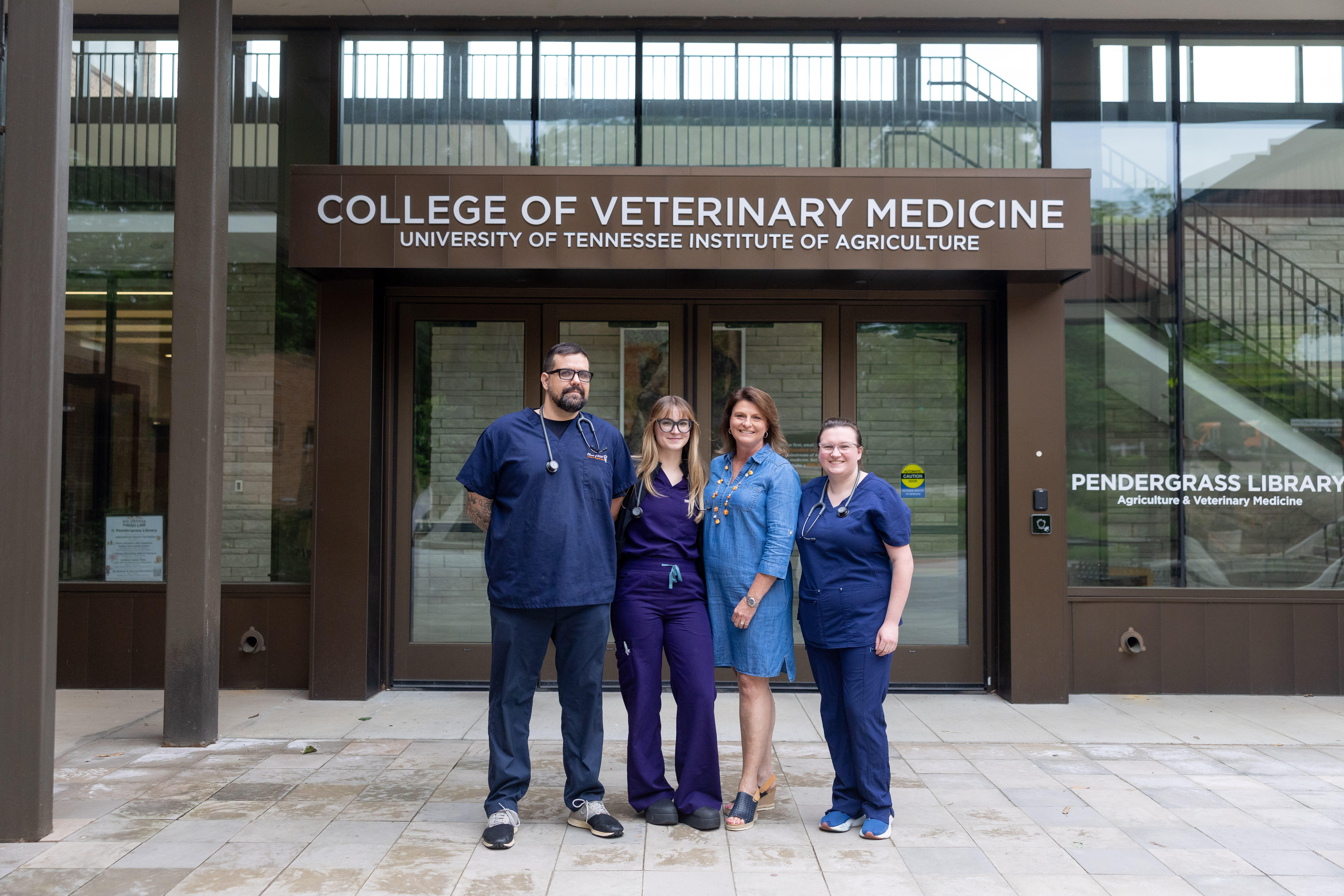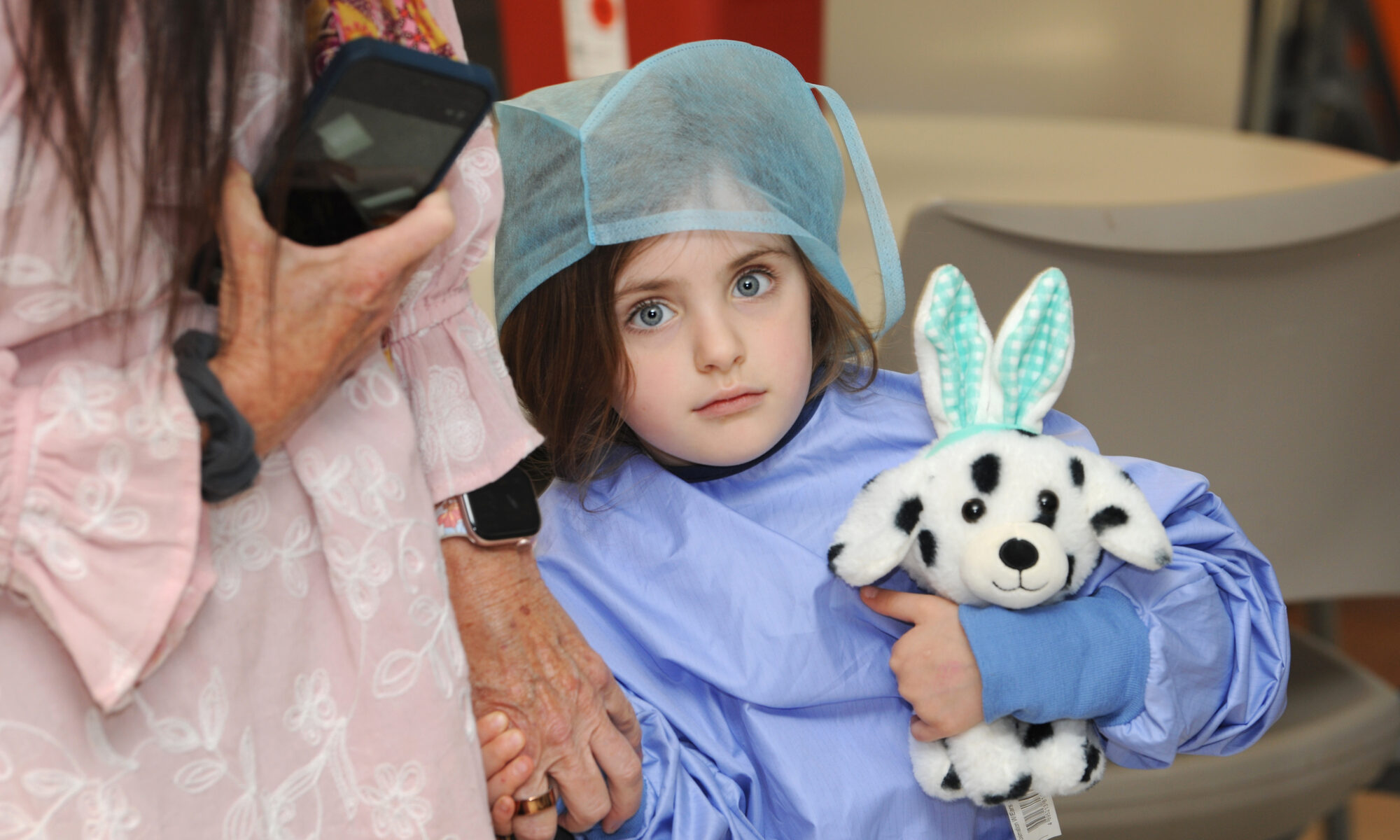
Veterinary medicine is often seen as a career people choose in college, but that decision usually begins much earlier, with a beloved pet, a 4-H project, a first visit to a farm, or a classroom lesson that sparks a lifelong sense of purpose. At the University of Tennessee College of Veterinary Medicine, that early sense of calling is something leaders work to nurture long before students ever reach veterinary school.
That is why the college’s youth development and outreach efforts begin early and stretch across the full educational pipeline from elementary school through undergraduate education. The goal is not simply to recruit future students. It is to help young people see veterinary medicine as both a profession and a life of service, care, science, and connection.
Rural Students, Real-time Connection
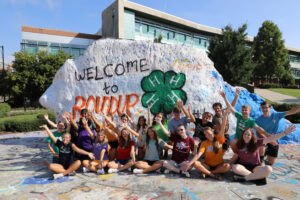
One of the college’s most far-reaching efforts is the 4-H Virtual Vet Program, which connects with students across Tennessee, including those in rural areas. ShaRonda Cooper says the monthly program reached nearly three hundred students across seventy-four counties in its pilot year.
Sessions allow participants to hear from faculty, clinicians, staff, and administrators about careers in veterinary medicine, ask questions, and stay engaged over time. “It keeps that flow of communication open,” Cooper says. “It helps students who are in remote or rural areas to be able to participate.”
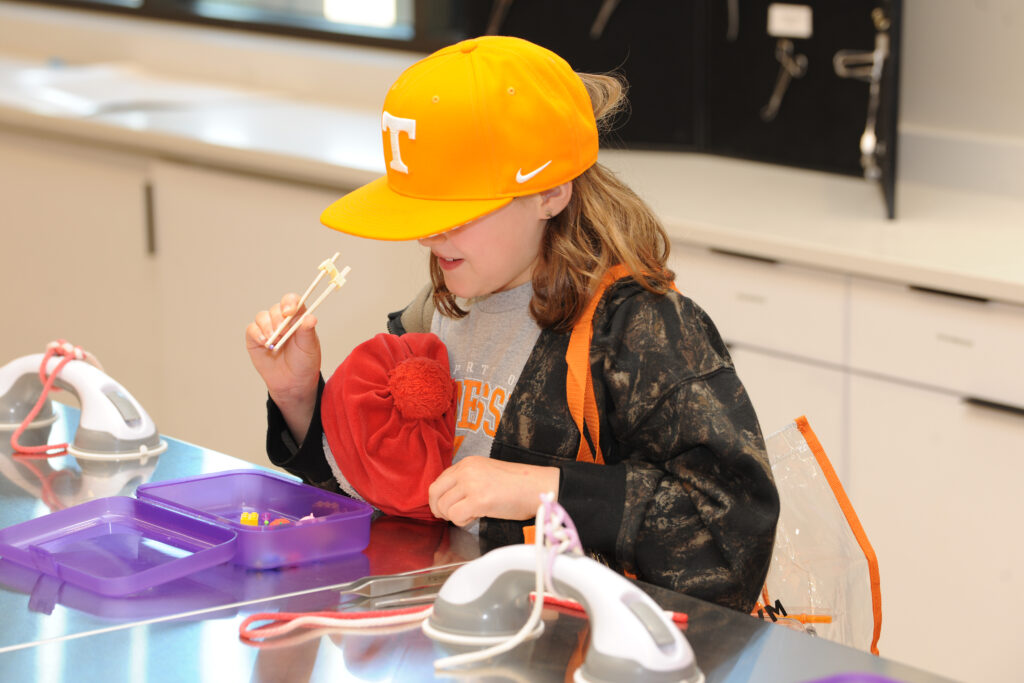

Before the College Application
Martha Mallicote, associate dean of academic and student affairs, says many students decide to be veterinarians when they are still very young. “The vast majority of our veterinary students chose this career a long time ago.”
Because of that, she says, colleges cannot wait until undergraduate years to begin the conversation. “Those interventions, making them aware of the professional trajectory, have to certainly be before they start undergraduate training and should really start in elementary and middle school.”
ShaRonda Cooper, assistant dean for students, describes the college’s work as a broad, intentional pipeline designed to introduce students to veterinary medicine early. “We start in elementary school,” she says, pointing to career fairs, STEM days, school-based programming, and partnerships with community organizations across Knoxville and surrounding counties.
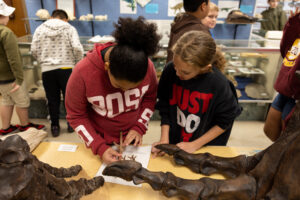
The college also works with Tennessee 4-H and Scouting America to create hands-on introductions to veterinary medicine for K–12 students, giving young people real experiences that make the profession feel possible.
Training for the Human Side of Animal Care
For students ready to step closer to the work, the college offers direct experiences. Middle schoolers can explore veterinary concepts through hands-on activities at the university’s Kids U summer camps.
High school students can apply for immersive opportunities, including the Veterinary Summer Experience Program, which pairs a month of shadowing a veterinarian in the student’s home community with a residential week on campus. Participants live in residence halls, work in clinical and simulation settings, tour animal care facilities, and get a firsthand look at what veterinary medicine demands. About a dozen students participate each summer.
Those experiences help students understand the range of careers within the field, from companion animal care to food animal medicine, public health, research, and wildlife work. Cooper notes the exposure can be especially meaningful for students who may not have previously pictured themselves in veterinary spaces.
Mallicote emphasizes that successful future veterinarians need more than strong grades. Preparation in science and math matters, but so do communication skills, animal experience, curiosity, and the ability to work with people from many walks of life.
“Preparing for a career as a veterinarian requires a lot of different skill sets,” she says. Veterinary schools increasingly look beyond grades alone, she adds, because veterinary medicine is deeply human work as well as scientific work.
At its heart, youth development in veterinary medicine is about planting seeds early, sparking curiosity, building confidence, and creating opportunities. At the UT College of Veterinary Medicine, that calling is being nurtured with purpose that reflects the college’s mission of care, commitment, and service.
Explore More on
Features
MORE FROM THIS ISSUE