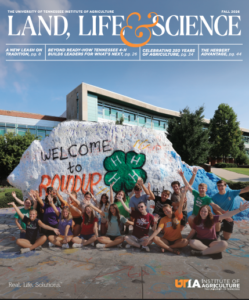
How Funding, Partnerships, And Hands-On Learning Are Turning Student Potential Into Professional Pathways
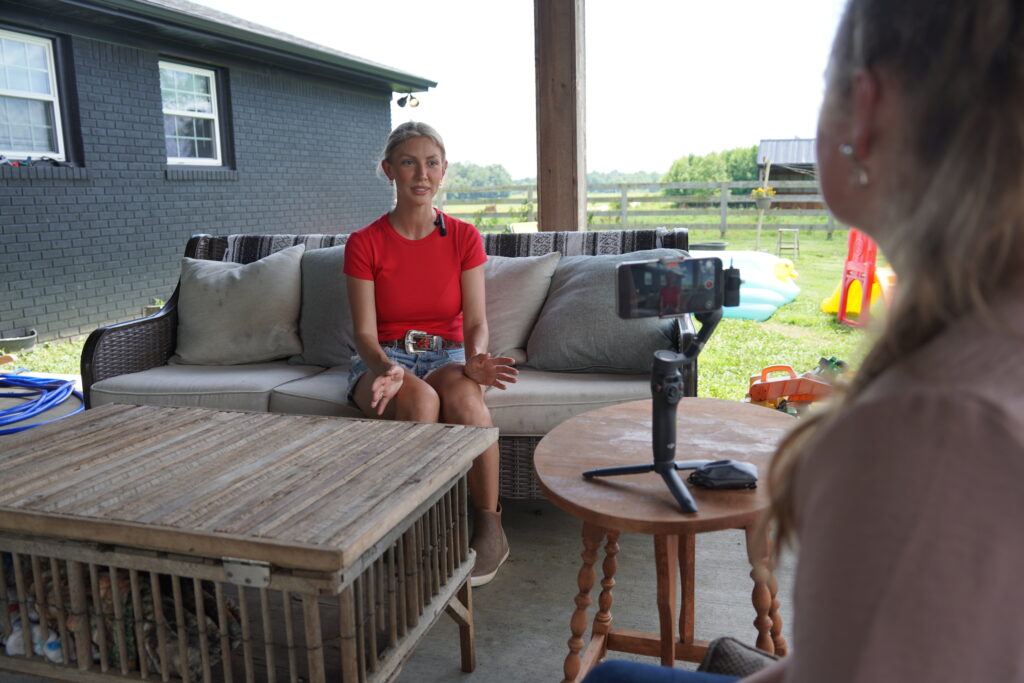
Standing in the new CoBank Arena, Grey Johnson looks up at the white acoustic panels hanging from the ceiling. His job today is to report on installation progress in the 5,000-seat facility that will host livestock judging, shows, and rodeos at the National Western Center in Denver, Colorado. Callie Hudson holds up a smartphone to record as she listens to a farmer describe her cut-flower business. Traveling across Kentucky, Hudson meets women farmers, takes photos, and records their stories for a social media campaign celebrating the International Year of the Woman Farmer.
Where Learning Becomes Careers
These are paid professional roles but not for people already in the workforce. Instead, Johnson and Hudson are among many Herbert College of Agriculture students using internships to build skills, clarify career goals, and sometimes line up jobs after graduation.
“Internships are where education meets experience and are central to our land-grant mission,” says David White, dean of the college. “They empower our students to apply their knowledge, build confidence, and become leaders ready to make an immediate impact. Simply put, internships turn potential into profession.”
The goal is for every undergraduate student to participate in at least one internship, says Timmy Carter, the college’s employer engagement and career development coordinator, a position created last year.
Carter (BS food science ’17) recruits business partners to strengthen the student-to-employer pipeline. “Companies recognize that Herbert is developing more than graduates; it is shaping future leaders,” he says.
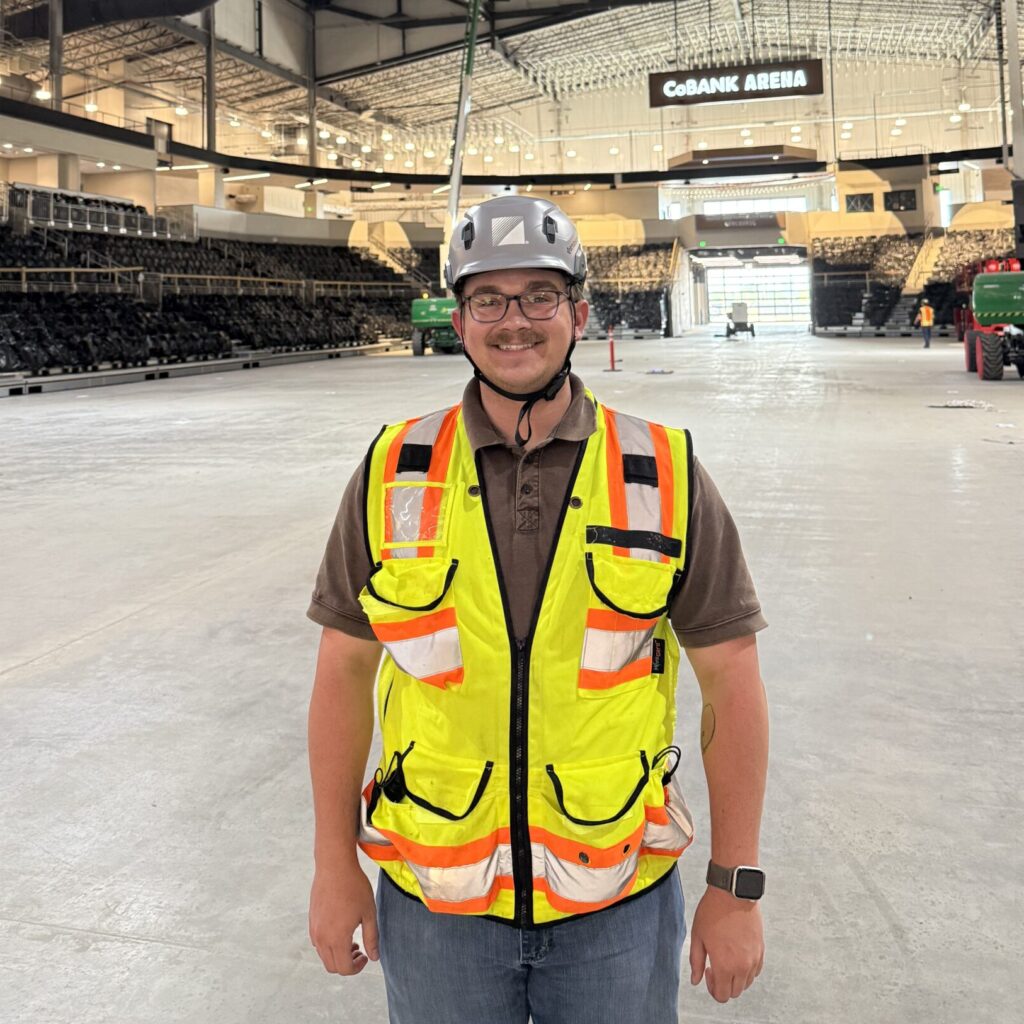
Grey Johnson
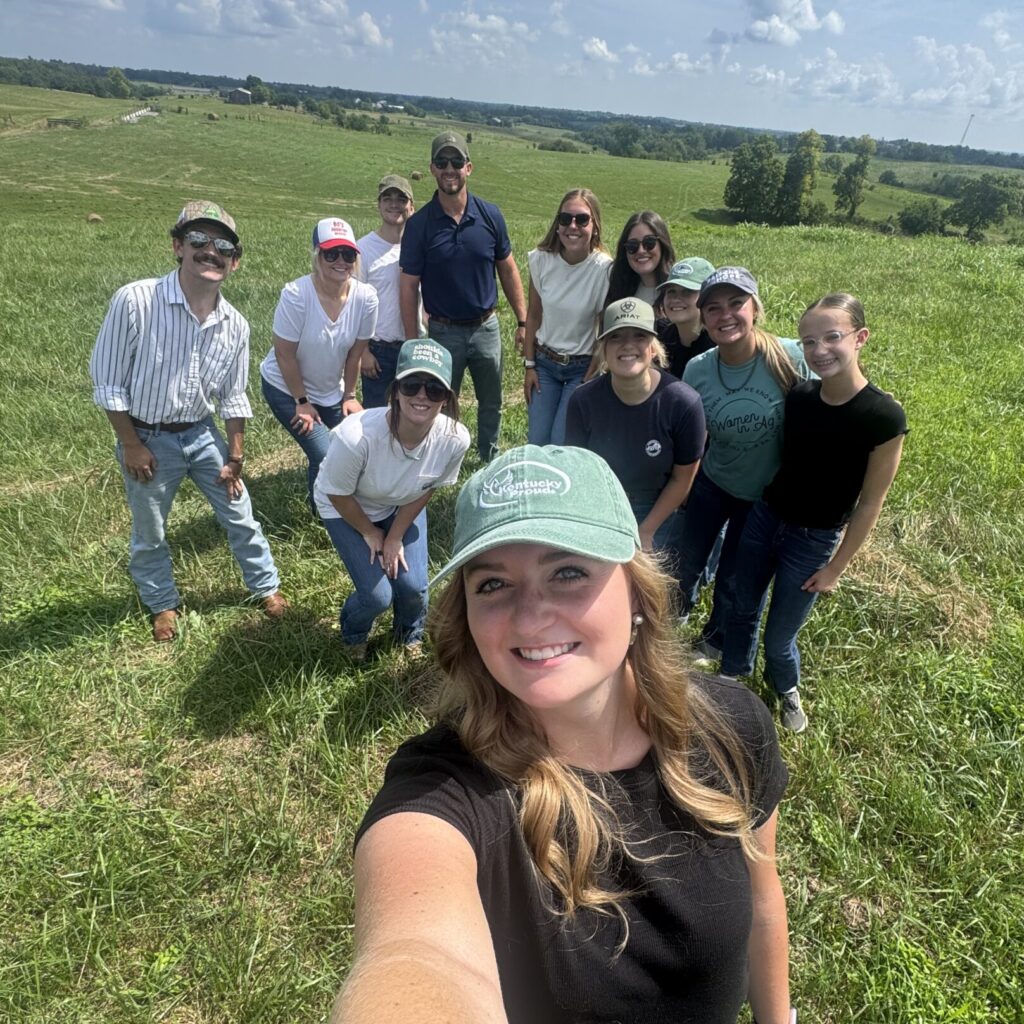
Callie Hudson
Scholarship Support That Makes Internships Possible
Hudson and Johnson are Herbert Scholars, a program established by Jim and Judi Herbert to provide $1,000 to $7,000 for out-of-pocket expenses when undergraduates intern outside Knoxville for ten or more weeks. Since the first group in 2024, about one hundred and fifty students have received grants.
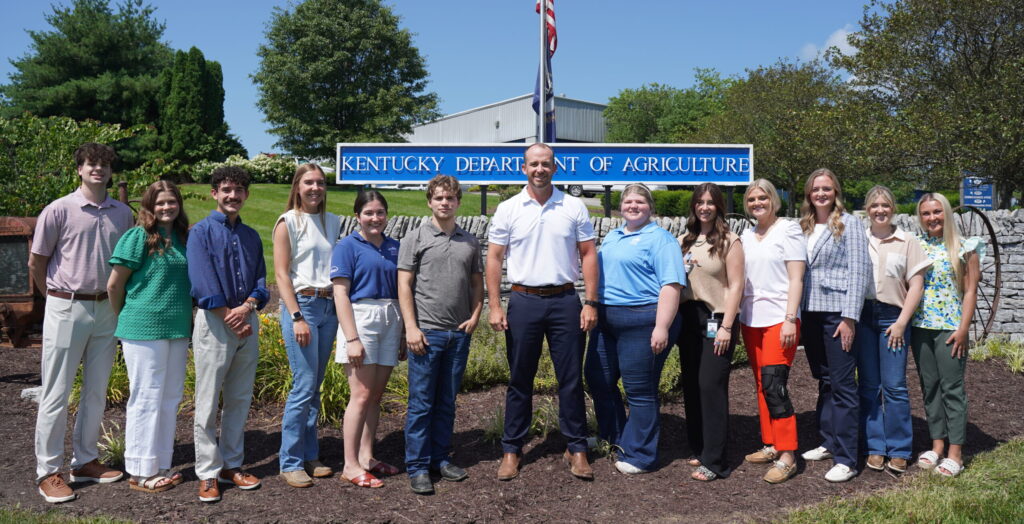
Hudson interned for the Kentucky Department of Agriculture, and the scholarship helped her pay for gas, driving 45 minutes between her home in Versailles, Kentucky, and Frankfort. A junior dual major in food and agricultural business and agricultural leadership, education, and communications, Hudson does not come from a farming family. She says the internship gave her insight into working with farms and small businesses as a financial advisor, her career goal. “It helped me have a better understanding of how to better connect with clients in the future,” she says.
Johnson, a construction science and management major, graduated in May with a job as an associate project engineer for Performance Contracting Group after completing two summer internships. He met a recruiter at Herbert’s annual construction science career fair. He spent his first summer in Seattle planning scaffolding work at job sites, then went to Denver to support construction at the National Western Stock Show’s headquarters and campus. “As a result, I’ve ended up in a career,” Johnson says.
Hands-On Work Across UTIA (And Beyond)
Programs and departments within Herbert and other areas of the institute offer internships, and some students receive course credit.
Jay Caldwell (BS agricultural education ’26) spent a spring semester teaching large animal science at William Blount High School in Maryville to meet degree and licensing requirements. He also helped with the school’s spring plant sale and worked with FFA members. The experience solidified his desire to one day train teachers. “Even on days when I was absolutely exhausted,” he says, “I still got in my car to drive home and felt fulfilled.”
Faculty in Herbert and throughout UTIA oversee internship programs open to students beyond the college, including Undergraduate Development and Internship Research Experience and the Research and Extension Experience in Veterinary Entomology for Students. County Extension offices across the state also host interns in eight-week programs.
Heather Kelly, Extension plant pathologist and professor in the Department of Entomology and Plant Pathology, has worked with many interns at the West Tennessee AgResearch and Education Center in Jackson, Tennessee. Interns gather data, scout insects, collect samples and sometimes pursue their own projects. “We have a really nice record of interns who got jobs in the public or private sector,” she says.
Former interns also return for graduate training, like Claire Cooke, now a research graduate assistant at the center. Cooke interned three summers under Kelly. “Now as a PhD student, I work with interns. I’d say eighty percent of our graduate students used to be interns,” she says.
An internship at the UT Gardens, Crossville, prepared Amanda Carroll (BS environmental and soil sciences ’25) for her current job as a research associate in the Department of Plant Sciences. “The internship gave me hands-on experience, mentorship, and professional networking that really set me up for success,” she says.
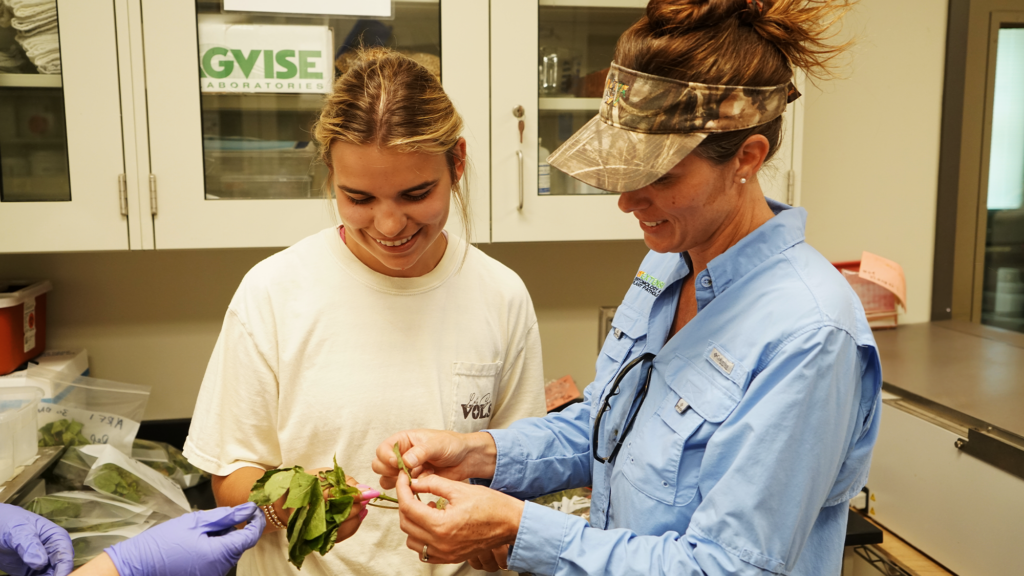 Lindsey Babbitt interned at the West Tennessee AgResearch and Education Center and worked alongside faculty such as Heather Kelly, Extension plant pathologist.
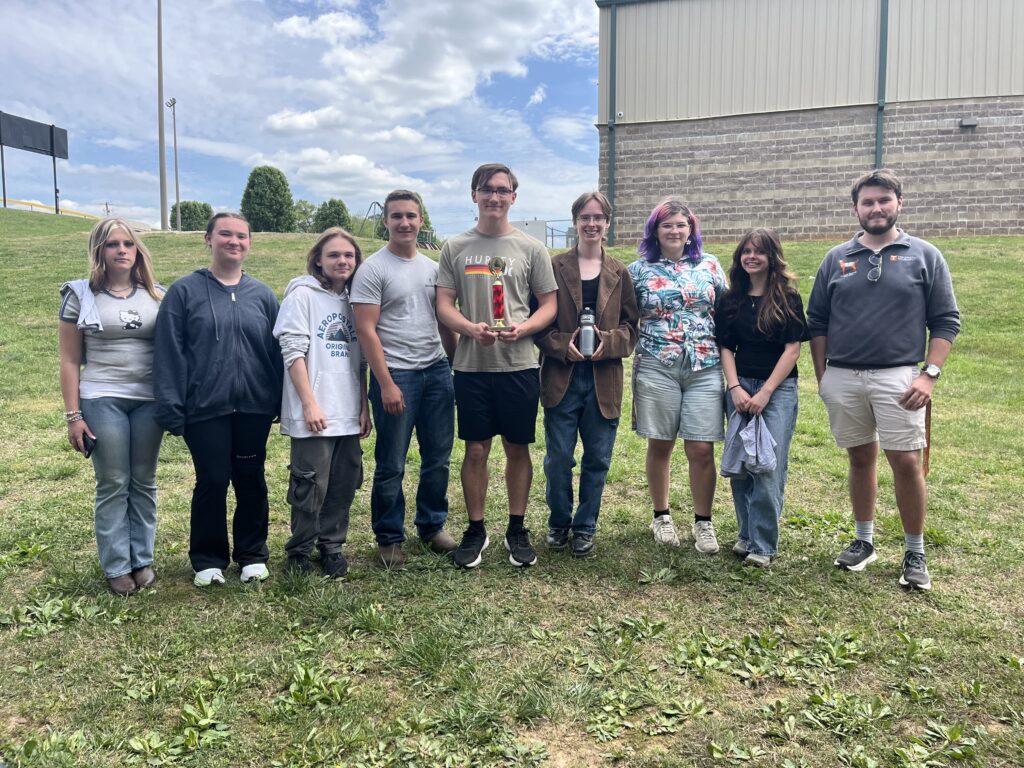 Herbert College of Agriculture student Jay Caldwell, far right, stands with members of the William Blount High School team that finished runner-up in the Envirothon held by the Knox County Soil and Water Conservation District.
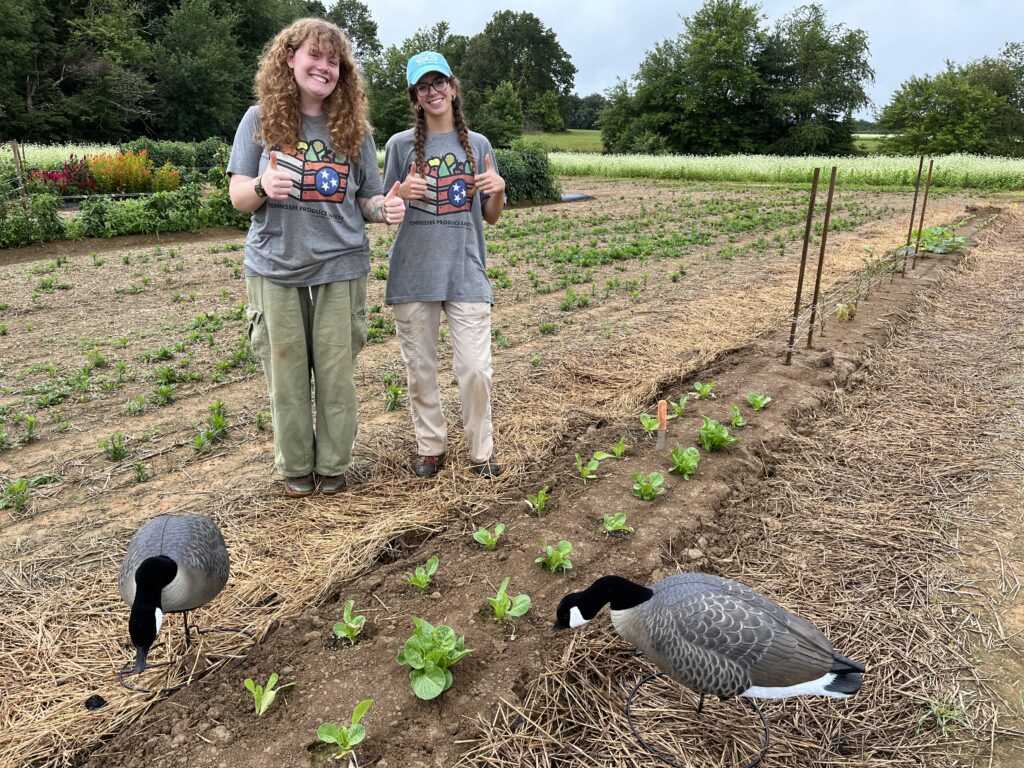 Amanda Carroll, right, research associate in the Department of Plant Sciences, and Reagan Masengill, an undergraduate student worker, visit the Plateau AgResearch and Education Center in Crossville. Photo Credit: Annette Wszelaki
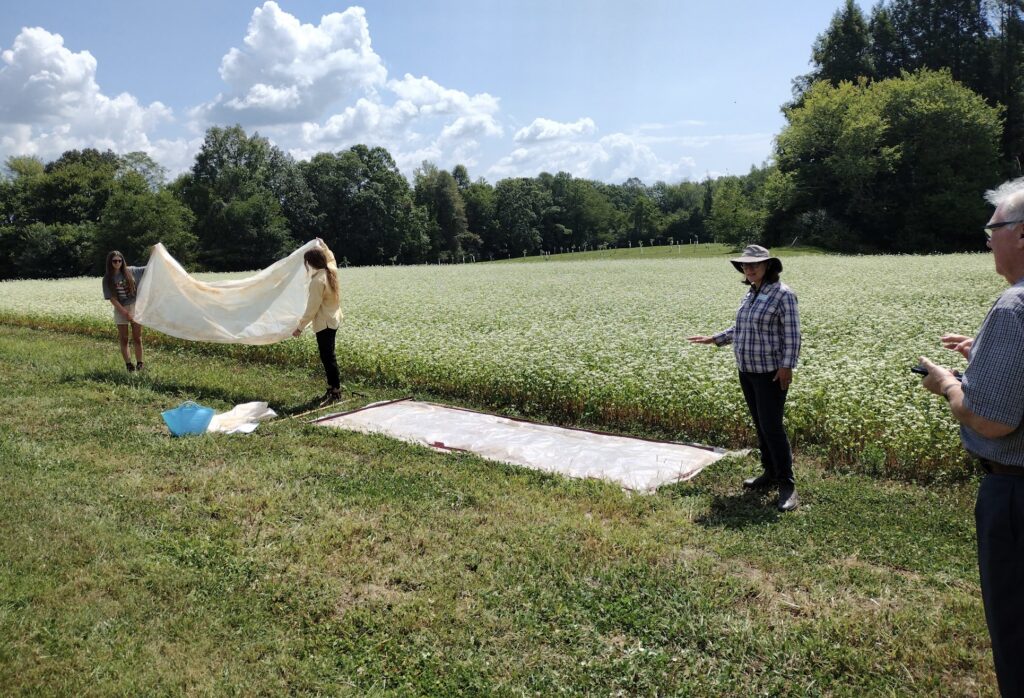 Amanda Carroll, far left, assists with a demonstration about soil solarization at the Steak and Potatoes Field Day in 2024 when Carroll was a student worker in the lab of Professor Annette Wszelaki, far right. Photo Credit: Samantha Flowers
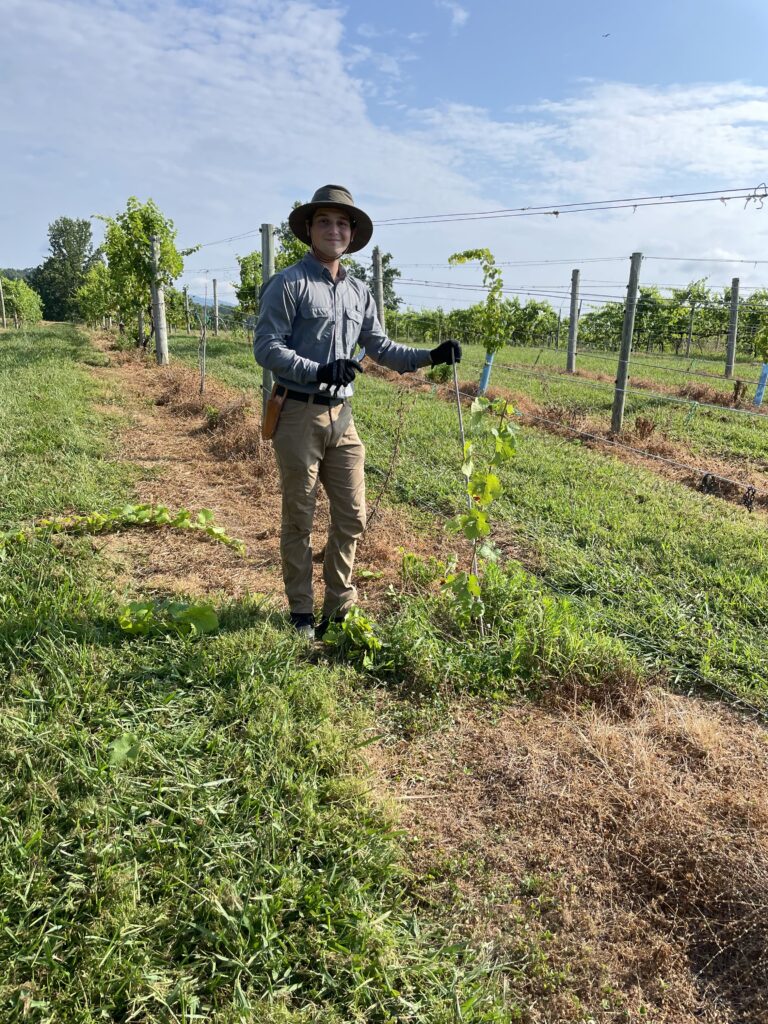 Herbert College of Agriculture student Colton McFarland interned at Spout Spring Estates winery and vineyard in Blaine, TN, as part of the Peter Howard Wine and Ag Tourism Scholarship Program.
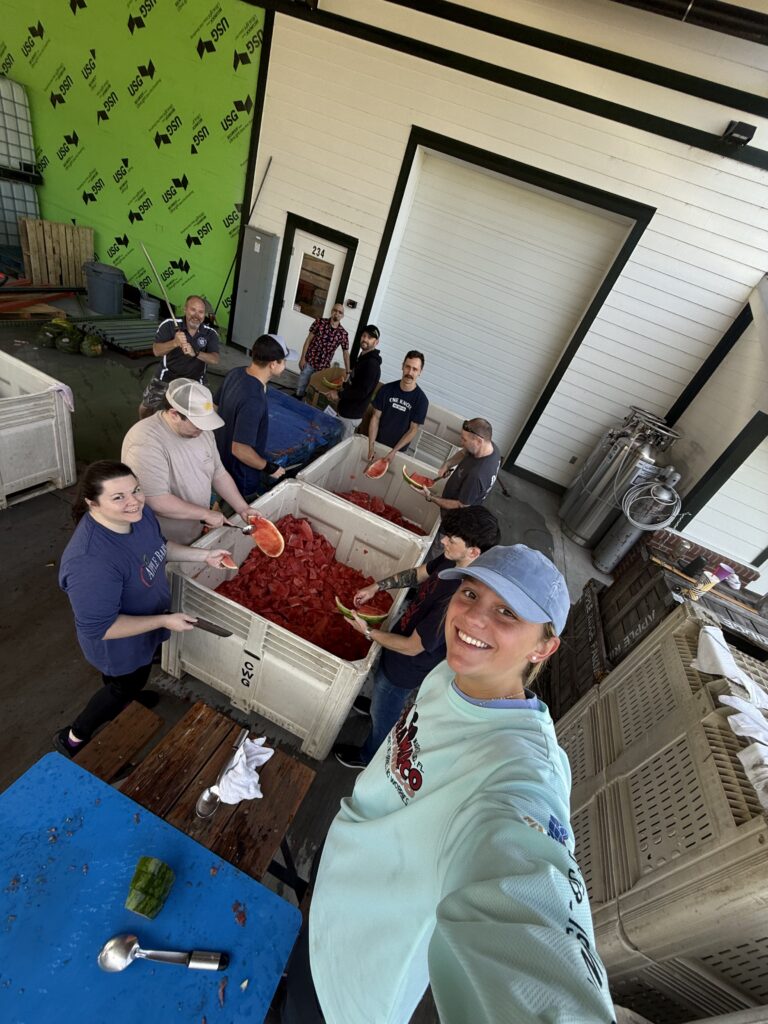 Adeline Granath takes a selfie while working at Rocky Top Wine Trail as part of the Peter Howard Wine and Ag Tourism Scholarship Program.
Building Careers— And Strengthening Tennessee Industries
Shortly before Jim Herbert died in 2024, he had lunch with Karen DeLong, professor in the Department of Agricultural and Resource Economics. DeLong told him she had expanded her economic and marketing research to viticulture and learned Tennessee wineries considered labor a critical challenge. “He got so excited …. ‘Karen, there is great potential for the wine industry in Tennessee,’” she recalls.
The Herberts had set up the Peter Howard Wine and Ag Tourism Scholarship Program, named for their lifelong friend and founder of Crown Winery and HRH Vineyards in Humboldt, Tennessee. DeLong now oversees the program. Since fall 2024, it has provided close to $110,000 in financial support to students interning in wine, viticulture, and agricultural tourism industries in the state.
Yardley Sawyer, Cades Cove Cellars general manager, believes the internships matter for students and the industry. The intern hosted last summer stayed on part time. “Interns get to see what the work is like,” Sawyer says, “instead of figuring it out after they graduate.”
Adeline Granath (BS food and agricultural business ’26) interned with Rocky Top Wine Trail and worked in all facets of the operation, from pressing fruit to bottling and distribution. “Most of all,” she says, “you develop a greater understanding and appreciation for the product you helped be a part of.”
Through internships, students learn, businesses benefit, and the connections made between them strengthen both.
Connect With Us! If your business is interested in offering internships, reach out to us!
Explore More on
Features
MORE FROM THIS ISSUE