A decade-long National Science Foundation (NSF) award could turn underused farmland in rural Tennessee and Alabama into the start of something bigger: new markets for farmers, new manufacturing jobs, and new materials for industries that power the region.
The University of Tennessee, Knoxville, is part of a team awarded up to $160 million over the next ten years through NSF’s Regional Innovation Engines program. The project, known as the BRIDGES Engine, is designed to grow specially developed perennial grasses and convert that biomass into biobased products for automotive, construction, and packaging markets. UT co-leads the effort with the HudsonAlpha Institute for Biotechnology, Auburn University, AGgrow Tech LLC, and longtime UT partner Volkswagen Group of America.
The initiative is also expected to generate tens of millions of dollars in additional annual income for Tennessee and Alabama farmers, attract more than $2 billion in private capital investment, and create thousands of manufacturing and supply chain jobs. More than ten-thousand people are projected to take part in technical, agricultural, and manufacturing workforce development and training.
“This effort is exemplary of the university and the UT Institute of Agriculture’s land-grant mission to provide real-life solutions,” says Keith Carver, institute senior vice chancellor and senior vice president. “From performing fundamental research in our labs to applying the science to develop on-farm production and manufacturing solutions, the BRIDGES work will enhance economic development across Tennessee and Alabama.”
Tennessee is backing the work, too. The Tennessee Department of Economic and Community Development (TNECD) has awarded a $10 million grant from the state’s Federal Innovation Grant Matching Fund to support BRIDGES. Deputy Governor and TNECD Commissioner Stuart C. McWhorter says the initiative can “create new markets for Tennessee farmers, advance biobased manufacturing and generate high-quality jobs across our rural communities.”
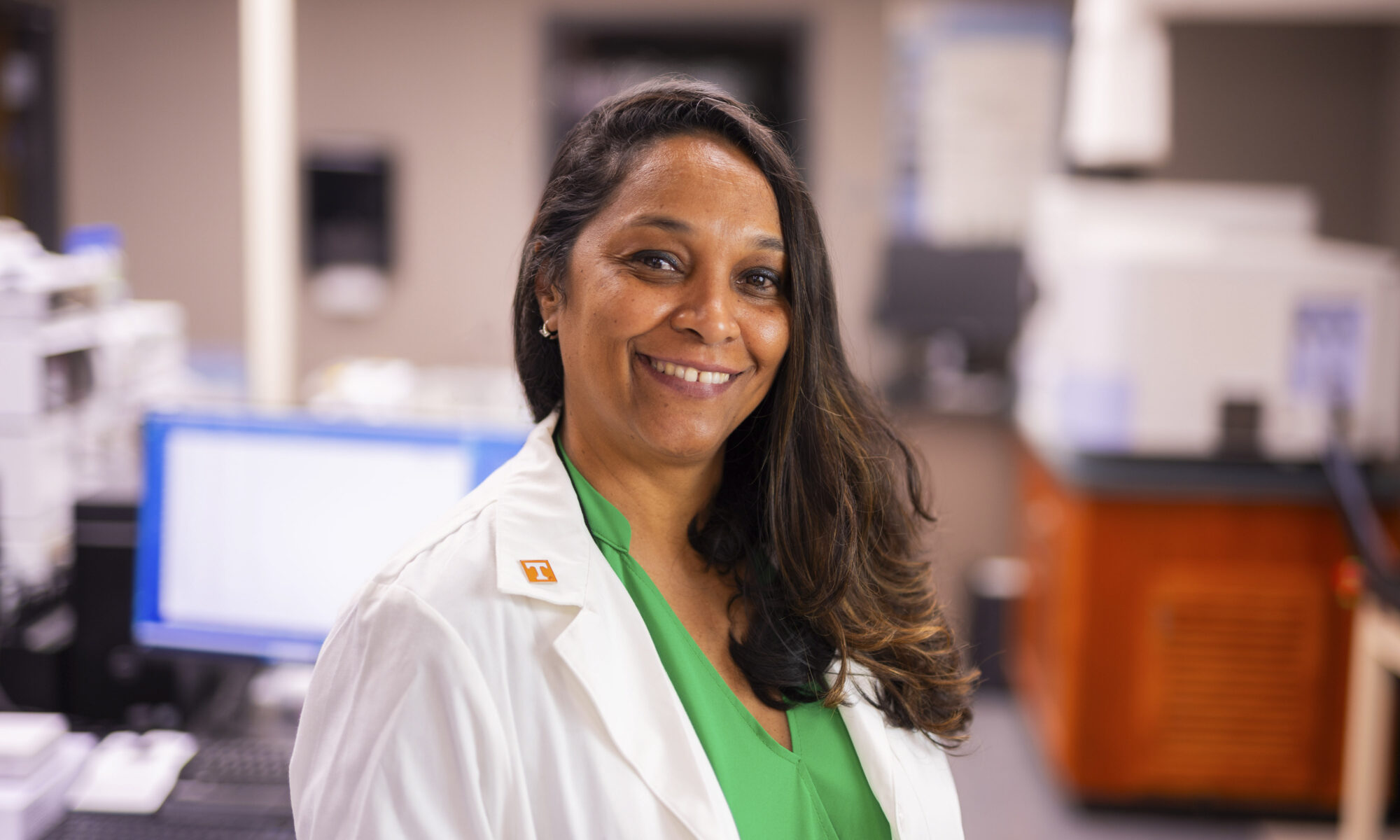
At UTIA, Nicole Labbé, Institute Professor and director of the Center for Renewable Carbon, will help lead the research as a co-principal investigator. “UT’s key strength lies in converting biomass into bioproducts,” Labbé says, adding that BRIDGES will build “not just one product but a portfolio of products relevant to multiple industries.”
Explore More on
Features
MORE FROM THIS ISSUE