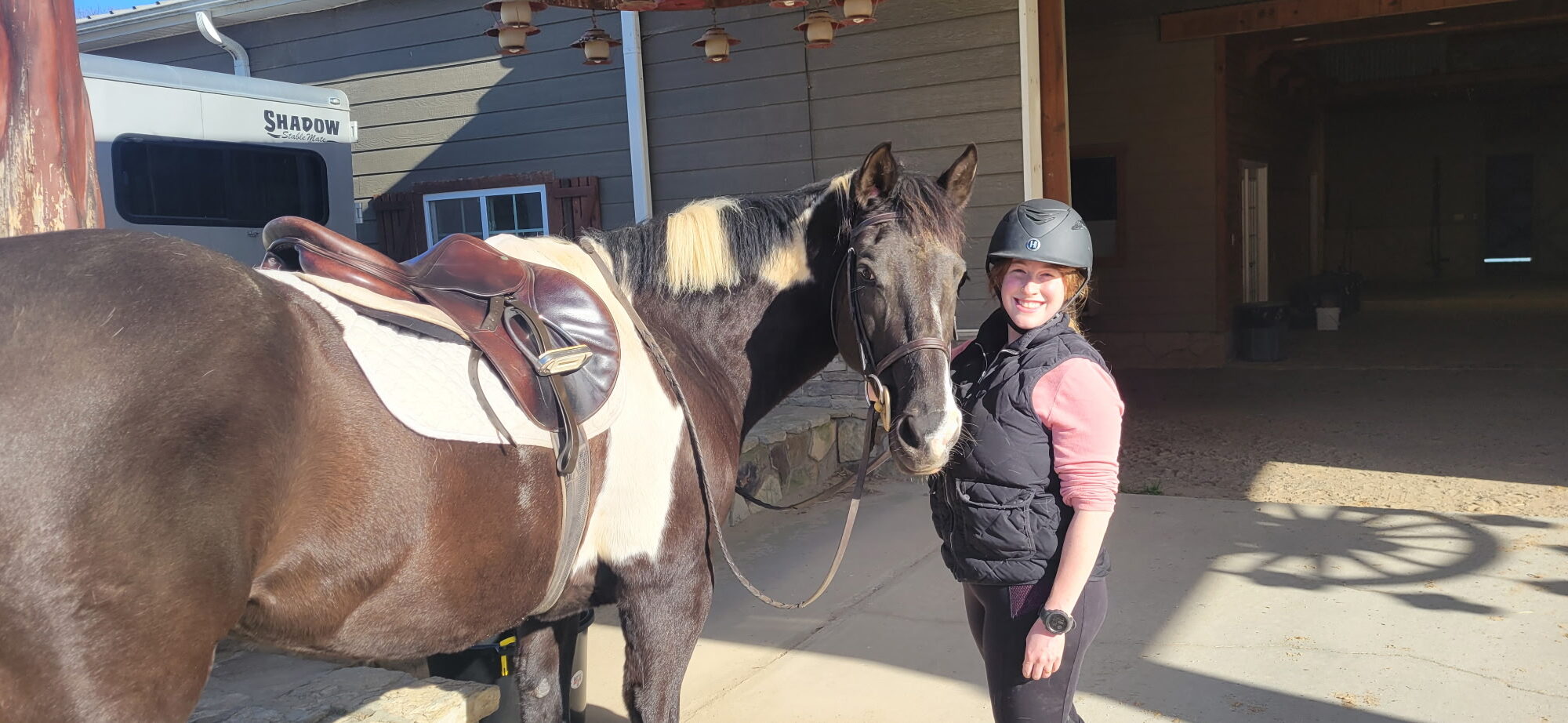
Caroline Griffin’s career has been shaped by curiosity, adaptability, and a willingness to step into the unknown. Now as an assistant professor at the Tufts University Cummings School of Veterinary Medicine, she bridges clinical care and research to tackle complex challenges in veterinary medicine.
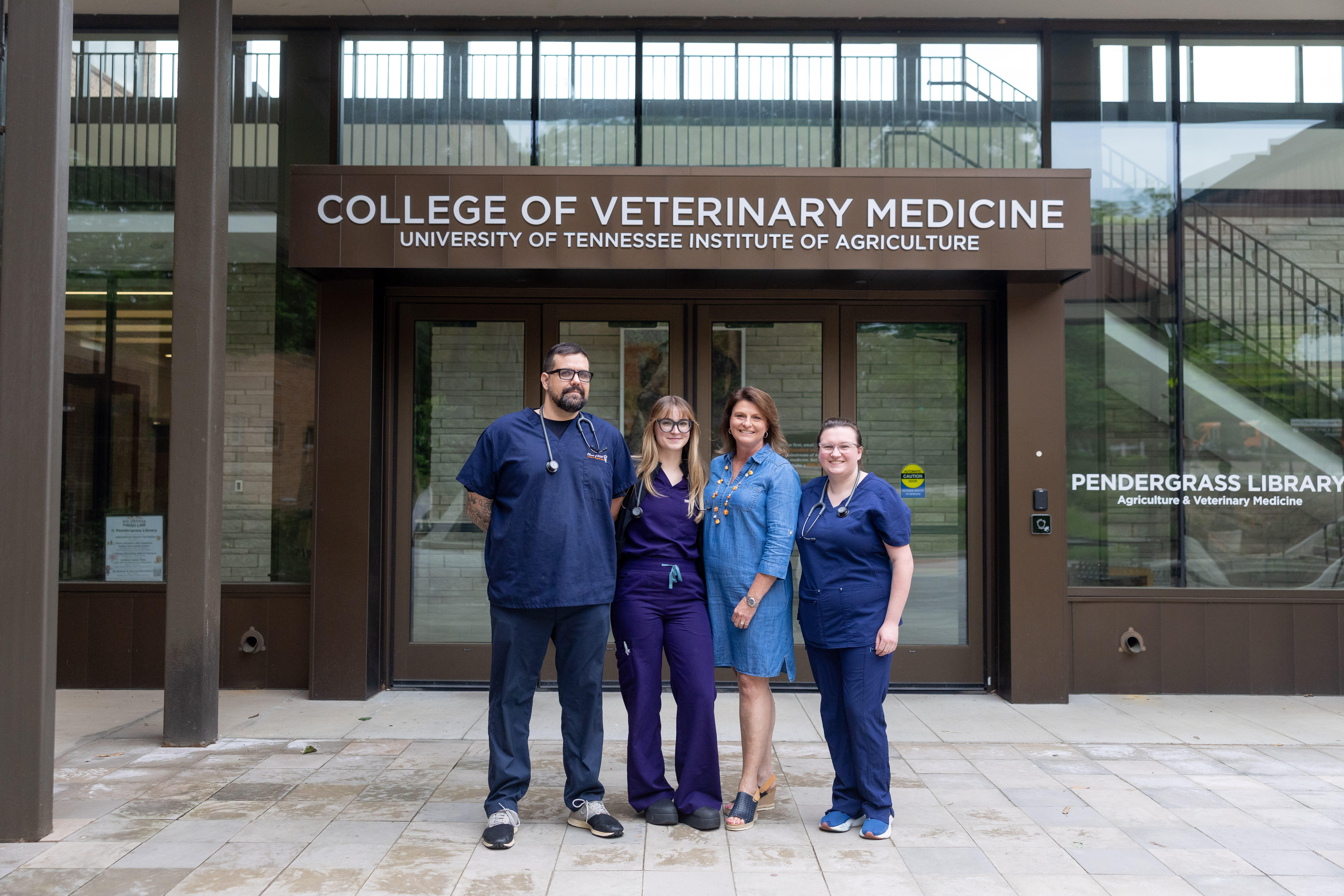
Her path began at UT, where she earned her doctorate in veterinary medicine, an MS in public health, and a PhD in comparative and experimental medicine while also completing a residency in large animal internal medicine. She credits her time and the people at the university for helping define how she approaches medicine and science.
“My approach to veterinary medicine has been shaped by many people at many different points in my life,” Griffin says. “Clinicians across services at the UT College of Veterinary Medicine helped me frame how I practice today, while my PhD training expanded how I think as both a clinician and a researcher.”
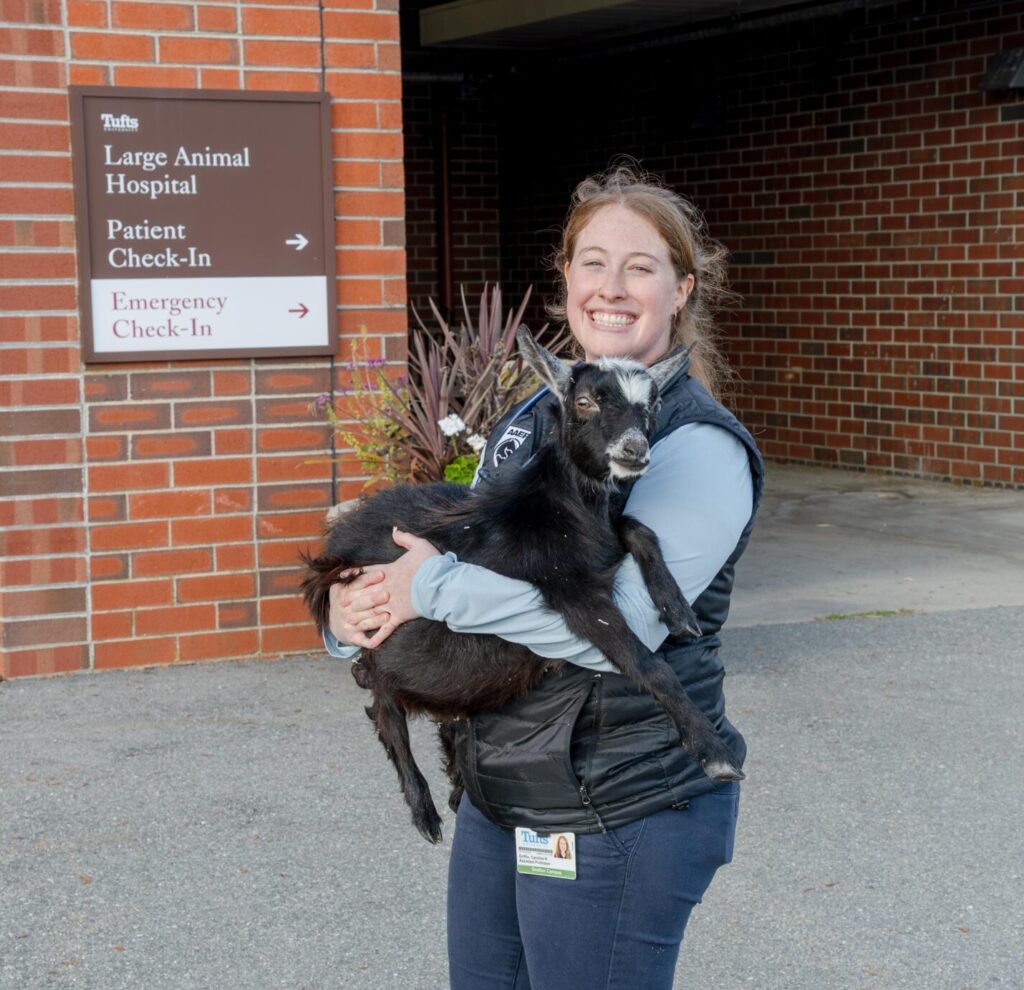
One of the most important lessons from her training was learning how to adapt. “Both clinical medicine and research are forms of art, and your style evolves and becomes more refined over time.”
With support from mentors and colleagues, she learned to move forward even when the path was uncertain. That mindset continues to guide her work as a clinician-scientist. While her veterinary training grounded her in patient care, her PhD experience taught her how to ask deeper questions and design research to address gaps in knowledge. Today, she applies that dual perspective to improve agricultural animal health through both discovery and practice.
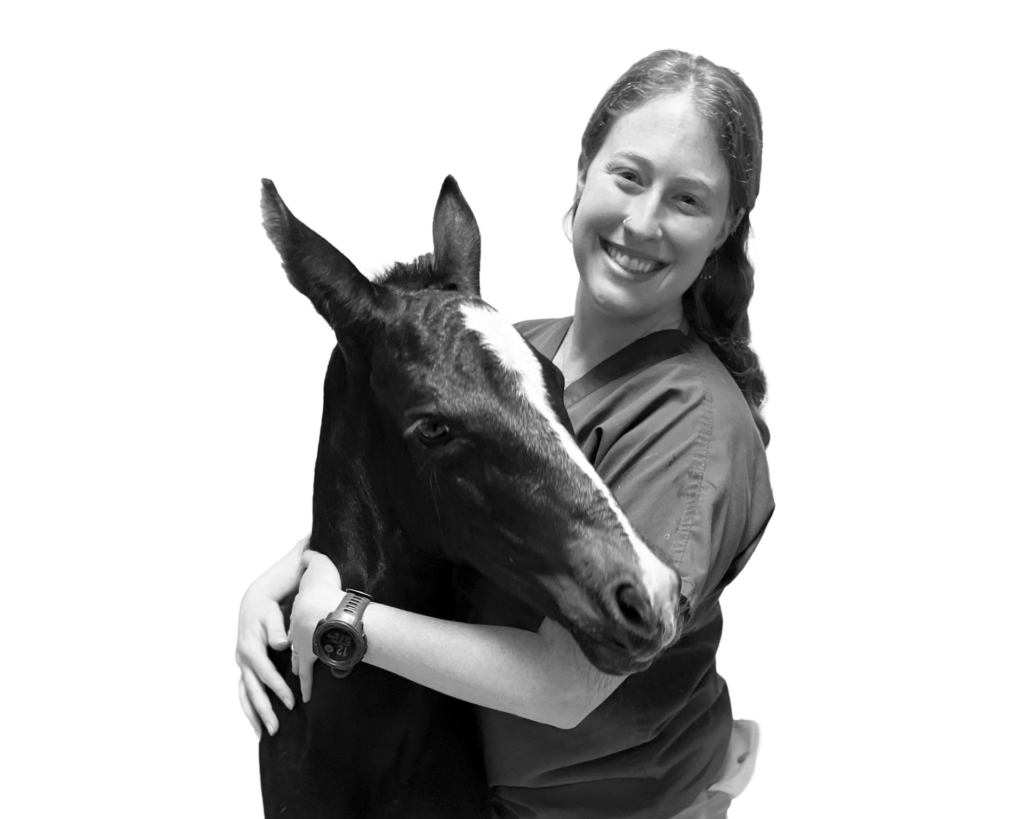
Her research focuses on improving the diagnosis and treatment of neurologic disease in small ruminants and exploring how diet influences the immune system in horses.
“The best advice I can give is to say yes to opportunities,” Griffin says. “Exposure to different ideas and people will help you find your path. Doors open at the strangest times—don’t be afraid to walk through them.”
Explore More on
Great Grads
MORE FROM THIS ISSUE