Justin Rhinehart on UT Extension’s Real-Life Impacts
After his first year as dean of University of Tennessee Extension, Justin Rhinehart is taking stock of what it means to lead a statewide organization built on practical education and local relationships. In this Q&A, Rhinehart reflects on Extension’s reach across Tennessee, what distinguishes the UT model, and how the work—from 4-H to farm viability—translates university expertise into everyday results for communities in all ninety-five counties.
In everyday terms, what does UT Extension do for Tennesseans?
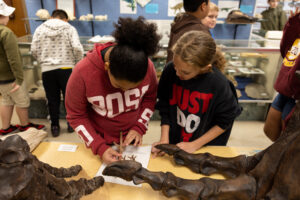
We improve people’s lives by delivering practical education, sometimes visibly, sometimes behind the scenes. Through 4-H Youth Development, we help young people build leadership, confidence, and real-world skills. Through Family and Consumer Sciences, we support families with health, nutrition, financial well-being, and day-to-day decisions. And, through agriculture, natural resources, and community economic development, we help farmers, landowners, and communities solve problems and seize opportunities. A major strength is the partnership between our county-based staff and specialists, who bring university expertise into communities across Tennessee. At its core, Extension takes the resources of the university and puts them to work for real people in every county.
What sets Tennessee’s Extension system apart from other states?
Every state’s Extension program is shaped by local needs, with state programs connected nationally through the US Department of Agriculture’s Cooperative Extension System. In Tennessee, what stands out is our reach, trust, and versatility. UT Extension maintains a local office in each of Tennessee’s ninety-five counties, which helps ensure our services are available to residents and communities statewide. That local presence matters because relationships are the foundation of Extension: County educators know their communities, and communities know them. Tennessee also has tremendous variety, from row crops to livestock, from fast-growing suburbs to small rural towns, so Extension has to be strong enough to serve all of it. We do that well because of strong support from the Tennessee General Assembly and county governments across the state.
After a year in the role, what still energizes you about this work?
Extension is one of the best ideas in higher education: bringing the flagship university to every citizen. Every day, our employees help solve problems, create opportunities, and strengthen communities. That includes county-based staff rooted where they live and work, and specialists who translate research into useful tools for Tennesseans. They do it consistently and often without much recognition. When you see the difference Extension makes—in a county, a school, a farm, or a family—it’s hard not to be inspired.
Farmland is under pressure. How is Extension helping keep farming viable?
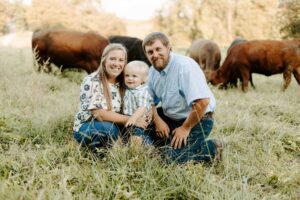
We focus on helping ensure farming remains viable because land is more likely to stay in agriculture when it can generate a positive return. We help producers strengthen profitability through management practices that optimize production, marketing that protects profits, and stewardship that improves and conserves soil and water. We also work with families on succession planning and long-term decisions. And we partner with the UT Institute for Public Service so communities can think carefully about growth, development, and the value of working lands. For farmland to be preserved, agriculture has to remain economically and culturally strong.
Where do you see Extension fitting into UTIA’s “Growing Greatness” goals?
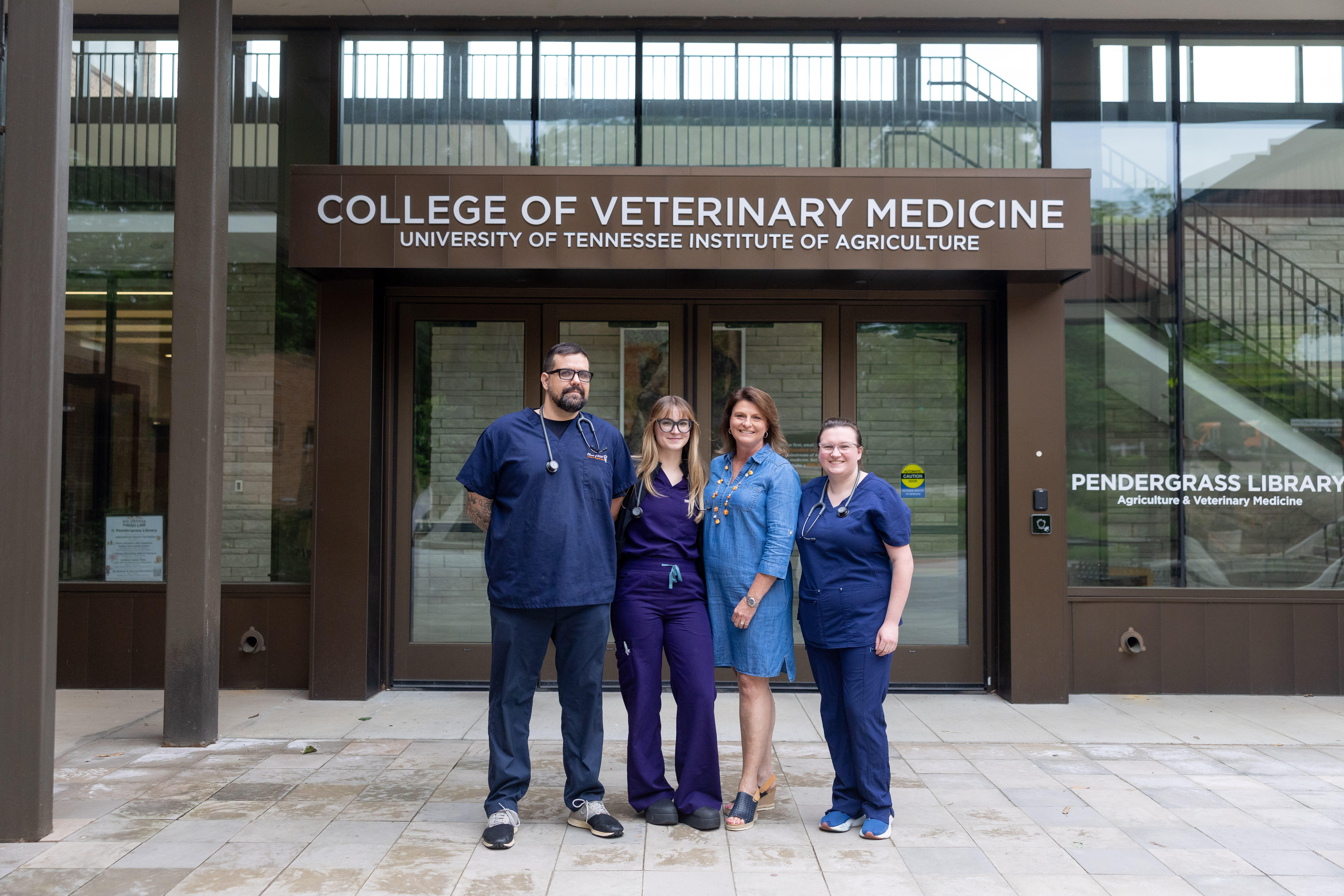
Extension is central because we connect UTIA’s strategy to everyday life. When the goal is to increase impact, strengthen communities, develop future leaders, and support agriculture, Extension is a key driver. Our countybased educators and specialists translate research into practice, build relationships, and create pathways for young people, families, producers, and communities to succeed. That’s where the strategy becomes real on the ground. Working closely with UT AgResearch, the Herbert College of Agriculture, and the College of Veterinary Medicine helps us deliver the land-grant mission as a unified Institute of Agriculture.
What’s a surprising fact about you that colleagues might not know?
I can auctioneer a little. I went to auction school and used to hold a Tennessee auction license, so I can still do a bid-calling chant well enough to pass as a real auctioneer.
With an office in each of the state’s ninety-five counties, UT Extension is here to help you.
Explore More on
Features
MORE FROM THIS ISSUE