On a tour of Tennessee, it is rare to come across a building more than a century old. That doesn’t diminish the state’s historic architecture—much of it is impressive in its own right—but it does underscore a larger reality: As Tennessee celebrates 230 years of statehood and the nation, 250 years of independence, the United States is still relatively young, with fewer structures that have endured for many centuries.
This is why it is important for students in the Herbert College of Agriculture’s Construction Science and Management program—a dynamic BS degree offered by UT’s Department of Biosystems Engineering and Soil Science—to extend their learning beyond US borders to see examples of construction projects so enduring that, thousands of years later, people still travel from across the world to see them.
An Italian “First” for a Growing Major
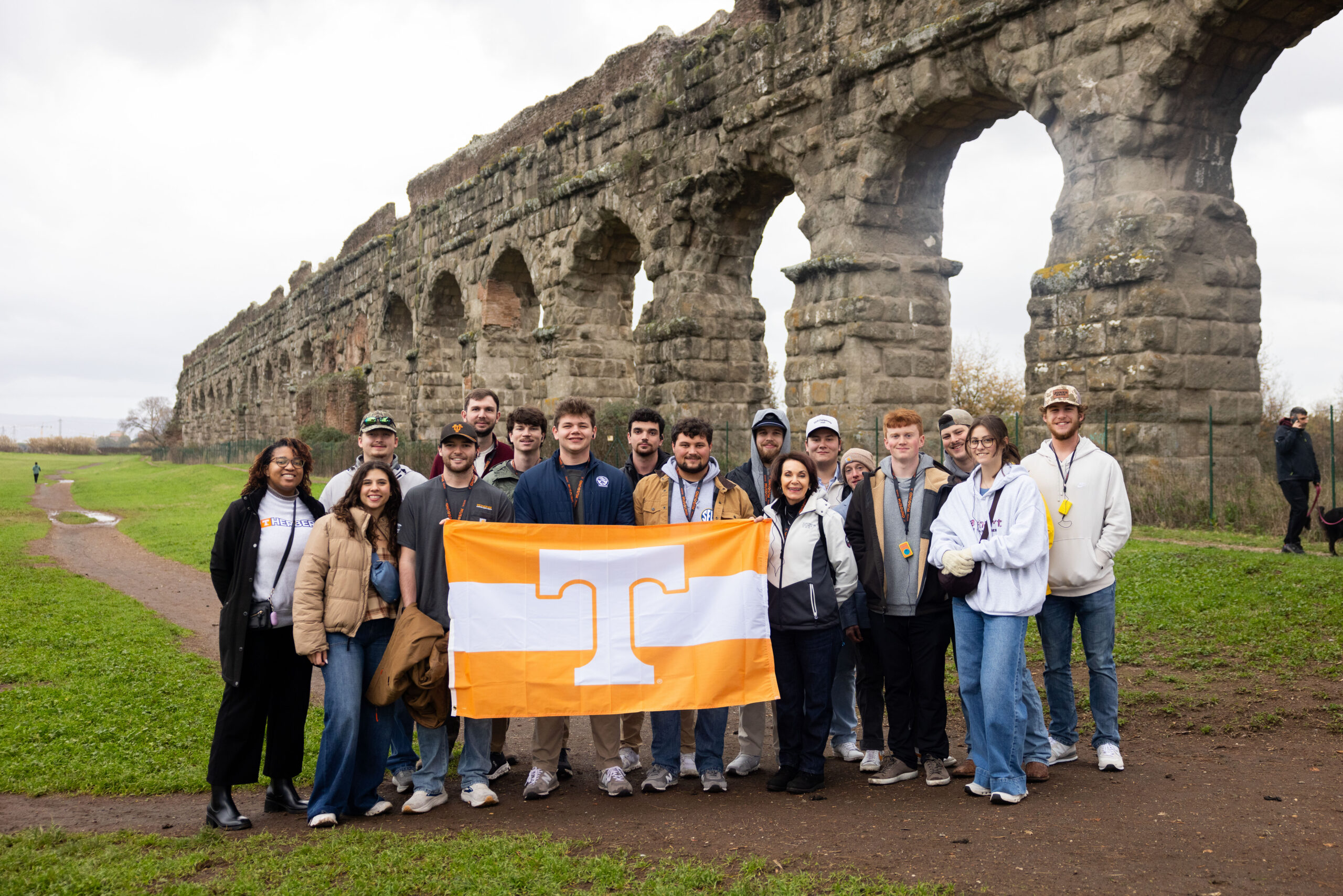
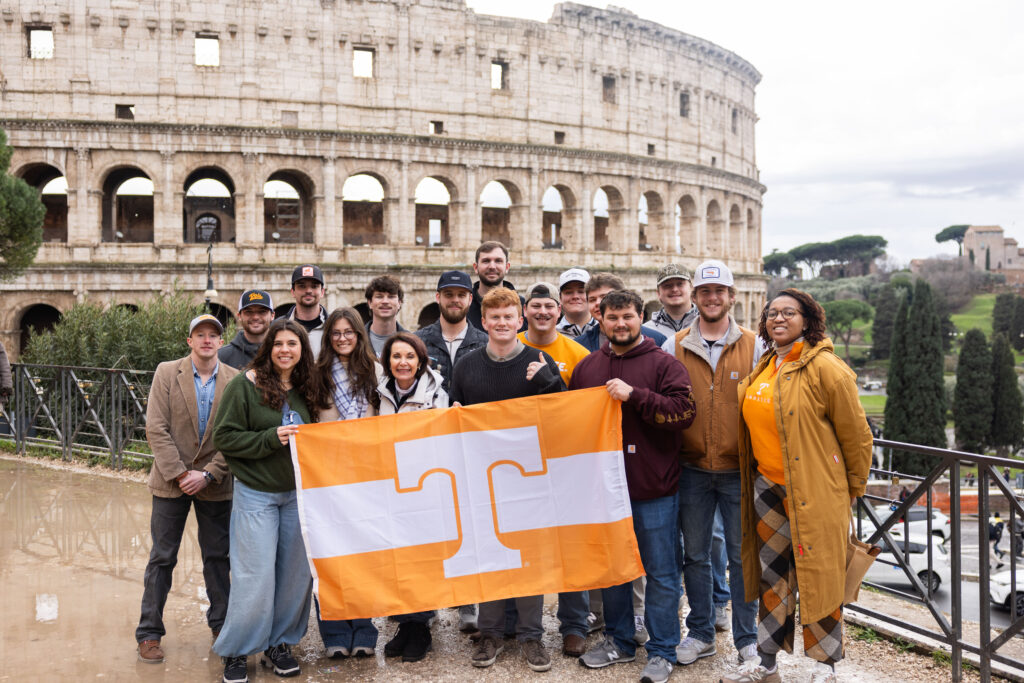
In January 2026, fourteen students traveled to Italy for the inaugural Roman and medieval era construction study abroad program led by lecturer Daniel Sain. It marked the first international experience designed specifically for the major, which is now the second largest in the college.
For two weeks, the students toured Rome and Florence, experiencing some of the world’s most iconic historic architecture firsthand. According to Sain, Italy offers an unmatched setting for studying the history of construction.
“The Roman Empire is still known today for some exceptional construction methodologies and materials,” Sain says. “I wanted students to see some of those original concepts up close and learn how they have both evolved and endured since ancient times.”
Seeing Longevity Up Close—Then Bringing it Home
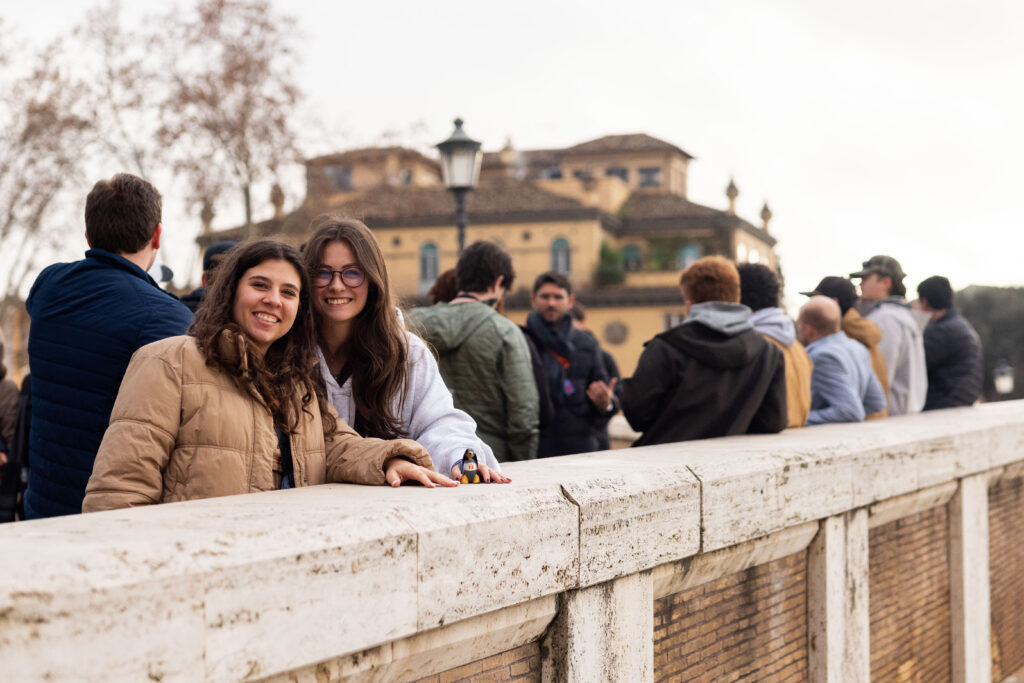
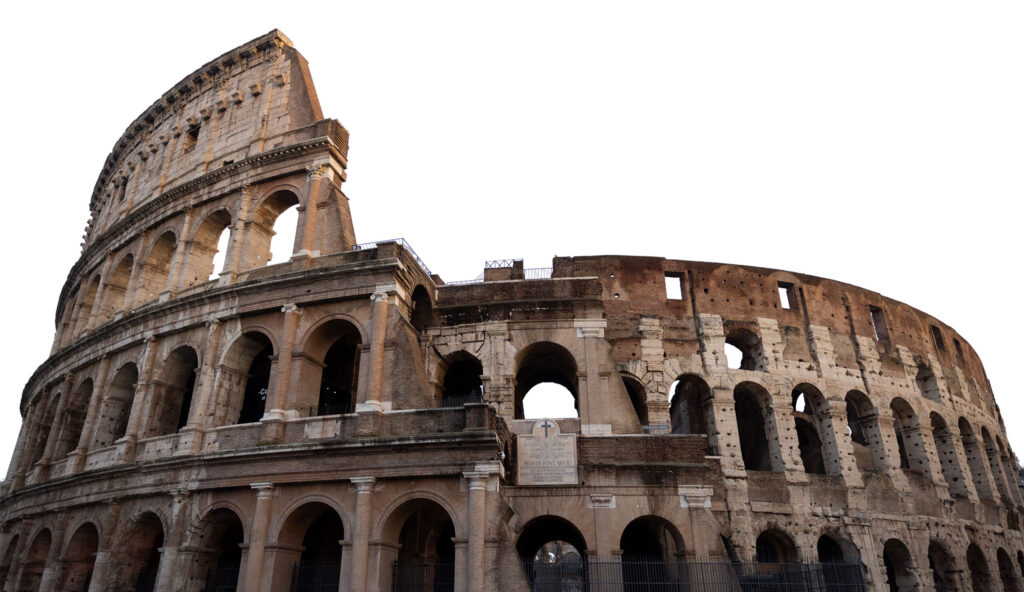
In Rome, the students stepped into history as they explored the grand corridors of the Colosseum, crossed bridges still in use after more than 2,000 years, descended into the ruins of Emperor Nero’s palace, the Domus Aurea, and examined ancient aqueducts that once sustained the city. At every stop, they observed the innovative use of materials, arches, and domes that continue to influence construction today.
For students preparing to enter the industry, these experiences brought classroom concepts, such as structural mechanics and construction materials, to life. For senior Nicholas Dunn, his time in Italy reinforced both his academic foundation and his professional aspirations, inspiring a deeper commitment to
quality, durability, and sustainability in future construction work.
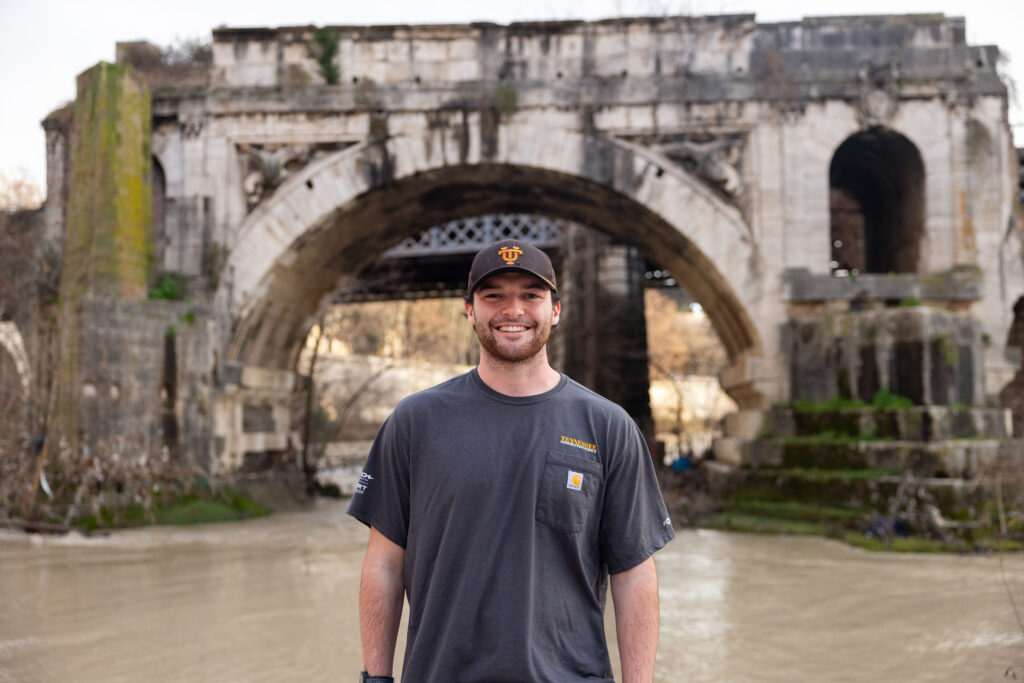
“To see these structures stand the test of time shows that there was a purpose behind every decision made during their construction,” Dunn says. “We can learn a lot from the past, and this experience proved that it is possible to build structures that are not only sustainable but are designed to last for generations.”
After Rome, the group traveled to Florence to study the city’s medieval and renaissance architecture. Highlights included the Cathedral of Santa Maria del Fiore, the Ponte Vecchio, and the Uffizi Galleries, where students admired the craftsmanship and scale of centuries-old construction.
From Experience to Impact
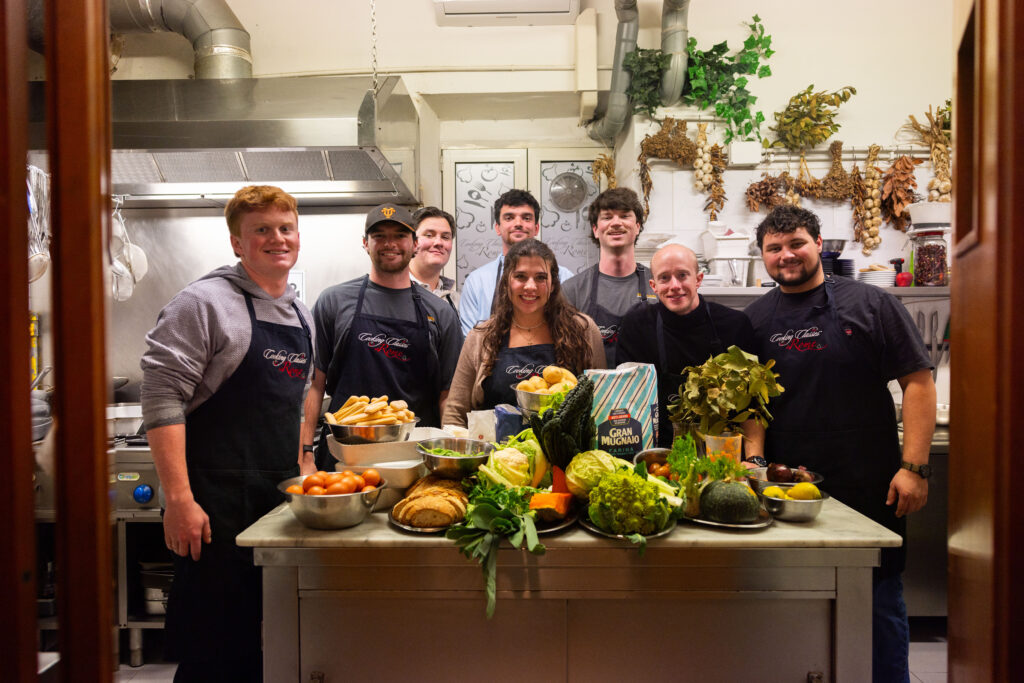
Beyond academics, the trip also offered cultural immersion opportunities. In Rome, the students learned to prepare classic Italian dishes such as minestrone soup, fresh pasta, and tiramisu in a hands-on cooking class. They also explored the cities during their free time, visiting local markets and cafes, and sampling regional specialties.
According to Sain, this inaugural program was a tremendous success, significantly enriching students’ academic experience at UT while advancing the Herbert College of Agriculture’s commitment to preparing globally aware graduates. By immersing students in international settings, the program broadened their perspectives, strengthened cultural competency, and equipped them with the skills needed to lead and compete in an increasingly interconnected built environment.
“Giving students the opportunity to see and learn from thousands of years of their industry’s history is something I’m incredibly proud of,” Sain says. “I am excited to continue taking new cohorts of students to Italy each January.”
As these students enter the workforce, they carry with them a broader perspective on construction, one shaped by history, innovation, and longevity. Perhaps, centuries from now, future travelers will look upon their work as enduring examples of thoughtful, lasting construction.
MORE FROM THIS ISSUE