
In fourth grade, Harrison Crenshaw’s 4-H agent told him the program would help him discover who he was and prepare him for whatever came next. Years later, Harrison could see the pattern: What felt like separate experiences—club meetings, camps, judging teams, leadership roles—were building on one another.
Through a forestry, wildlife, and fisheries project, he found a passion for natural resources and learned to set goals and work toward them. Eventually, Harrison helped create 4-H Project to Profession, a county initiative connecting members with career experiences tied to their project areas. “4-H had never been preparing me for a single event,” Harrison reflects. “It had been preparing me to recognize opportunities when they appeared.”
What Harrison is describing is the heart of a larger promise: Tennessee 4-H Youth Development is intentionally designed to help young people become beyond ready for life, work, and leadership. For more than a century, Tennessee 4-H has evolved with the needs of young people, and today that work is focused on helping youth build skills and confidence that last.
Harrison’s story is personal, but it isn’t unusual— because Tennessee 4-H is committed to fostering those kinds of growth moments in young people statewide.
Today, Tennessee 4-H, operated by UT Extension in partnership with Tennessee State University, serves more than one-hundred-fifty-thousand young people statewide and is home to the largest in-school 4-H club program in the nation. The program reaches youth in all ninety-five counties of Tennessee through in-school clubs, after-school programs, and project experiences that extend learning beyond the classroom.
Much of the program’s content aligns with Beyond Ready, a national 4-H framework with an ambitious 2030 goal. It takes the everyday building blocks of 4-H—clubs, projects, competitions, camps—and turns them into clear stepping stones that strengthen critical thinking, teamwork, adaptability, resilience, and confidence.
In Tennessee 4-H, Beyond Ready also means career readiness: practicing communication, teamwork, problem-solving, critical thinking, adaptability, and leadership in real settings. The framework is built on positive youth development, with four elements that help kids thrive: sparks (interests and passions), belonging (safe, welcoming spaces), relationships (caring adult mentors), and engagement (initiative and “learn by doing”).
Where it Starts: Sparks and Belonging
Ask many 4-H alumni where leadership began, and you won’t always hear “at a podium.” Often it starts in a room where a young person feels known, supported, and safe enough to take the next step: raising a hand, taking a role, running for office, and speaking up.
That feeling isn’t accidental. In fact, 91 percent of Tennessee 4-H youth say they feel a sense of belonging in 4-H.
Jaiden Keith’s story shows what that feeling of security can unlock. Adopted at a young age, she spent much of her childhood trying to figure out where she fit. When she joined 4-H, it quickly became her favorite part of school, and opportunities expanded—from contests and camp to running for Tennessee 4-H Congress governor.
Jaiden later served as a State Council representative and taught more than four-hundred youth through her 4-H beekeeping project. She wasn’t just gaining confidence; she was practicing public speaking, relationship-building, and leading with empathy—skills that show up in workplaces, community leadership, and service. Along the way, Jaiden realized her favorite part of leadership was helping others feel seen, heard, and welcome, too.
Who Helps It Grow: Relationships That Build Confidence
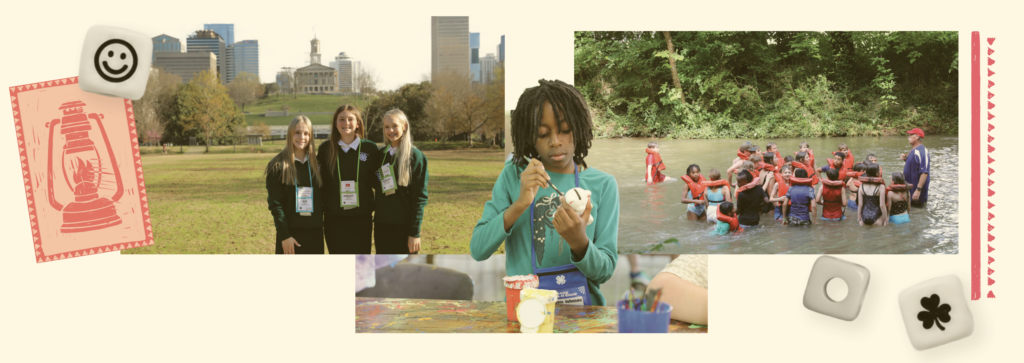
Beyond Ready doesn’t happen in isolation. The framework depends on relationships—young people learning alongside peers and being guided by caring adults who set expectations, open doors, and keep encouraging growth when it gets uncomfortable.
On board to help them are dedicated 4-H Extension agents in each of Tennessee’s ninety-five counties and more than three thousand trained 4-H volunteers across the state.
Their guidance shows up in the way 4-H experiences build over time. Youth aren’t expected to become leaders overnight. They practice in smaller moments first: contributing to a meeting, taking feedback, helping a younger member, speaking in front of a group, trying again. Over years, those steps become a mindset and a skill set—confidence that is earned, collaboration that is practiced, and leadership that becomes familiar.
It’s part of why Harrison’s reflection resonates. What looked like separate experiences were really one long investment: mentors and responsibilities stacking in a way that prepared him to notice openings and act on them. Those are life skills, but they also are career-readiness habits: initiative, follow-through, and the ability to navigate new environments with purpose.
And the growth isn’t only outward-facing leadership. Life skills show up in personal habits, too: Seventy-one percent of Tennessee 4-H’ers surveyed in 2025 said 4-H helped them build healthy habits by learning to make positive changes, care for their physical health, and prepare for lifelong wellness.
How Skills Stick: Learn by Doing
The 4-H program is designed around experiential learning: “learn by doing,” not just listening or watching. That model matters because it connects content with life skills in the same experience. Young people learn a subject, then learn how to communicate it, apply it, and improve it, all the while having fun and developing friendships in the process. Their projects turn curiosity into the practice of problem-solving, critical thinking, and adaptability under real conditions.
John Hancock describes the range of learning that can happen when young people are allowed to explore widely. In his 4-H journey, he moved from showing cattle to extracting DNA from strawberries and growing a garden with new seed varieties. Those experiences helped him find a passion for agriculture and begin imagining how his skills could translate into a future profession.
That’s what it looks like when the skills move from practice to muscle memory. The point is not just participation; it is growth 4-H youth can carry into a college classroom, a job site, the military, or an entrepreneurial venture.
That breadth matters because sparks look different for every young person. While many 4-H project areas once focused on agriculture, today’s program encompasses twenty-nine subjects, ones that span everything from traditional subjects like animal production to healthy living, performing arts, photography and digital media, artificial intelligence, and veterinary science.
Tennessee 4-H provides lessons for life: from project knowledge and good communication skills to leadership, citizenship, and character development. Opportunities abound. In 4-H, there is truly room for all youth to find a subject that engages them.
A Statewide Ladder of Opportunity: From County Clubs to Statewide Stages
Tennessee 4-H’s ability to develop Beyond Ready young people depends on more than good intentions. It depends on a structure that works in real communities. The program is powered locally, delivered at the county level, and supported by the broader resources of UT as a major land-grant university. That structure keeps the work close to home while opening doors to statewide experiences that stretch students.
Leadership pathways are woven into club life, including officer roles, mentoring, and service. Recognition systems such as Honor Club, All Stars, and Vol State help reinforce progress and encourage youth to keep building their skills over time. Because the program runs in every county, career readiness isn’t reserved for a few standout students; it’s part of the everyday experiences that reach youth statewide.
Summer Grace Kelly describes how the leadership opportunities the program provided shaped her confidence. She never expected 4-H would place her in front of audiences so often, but demonstrations, leadership roles, and conferences taught her to communicate with confidence, tell stories, and connect with people from different backgrounds. Those experiences helped her recognize how much she enjoys connecting with others—an interest now shaping her career goals in sports broadcasting.
Where It Leads: Beyond Ready for Whatever “Next” Brings
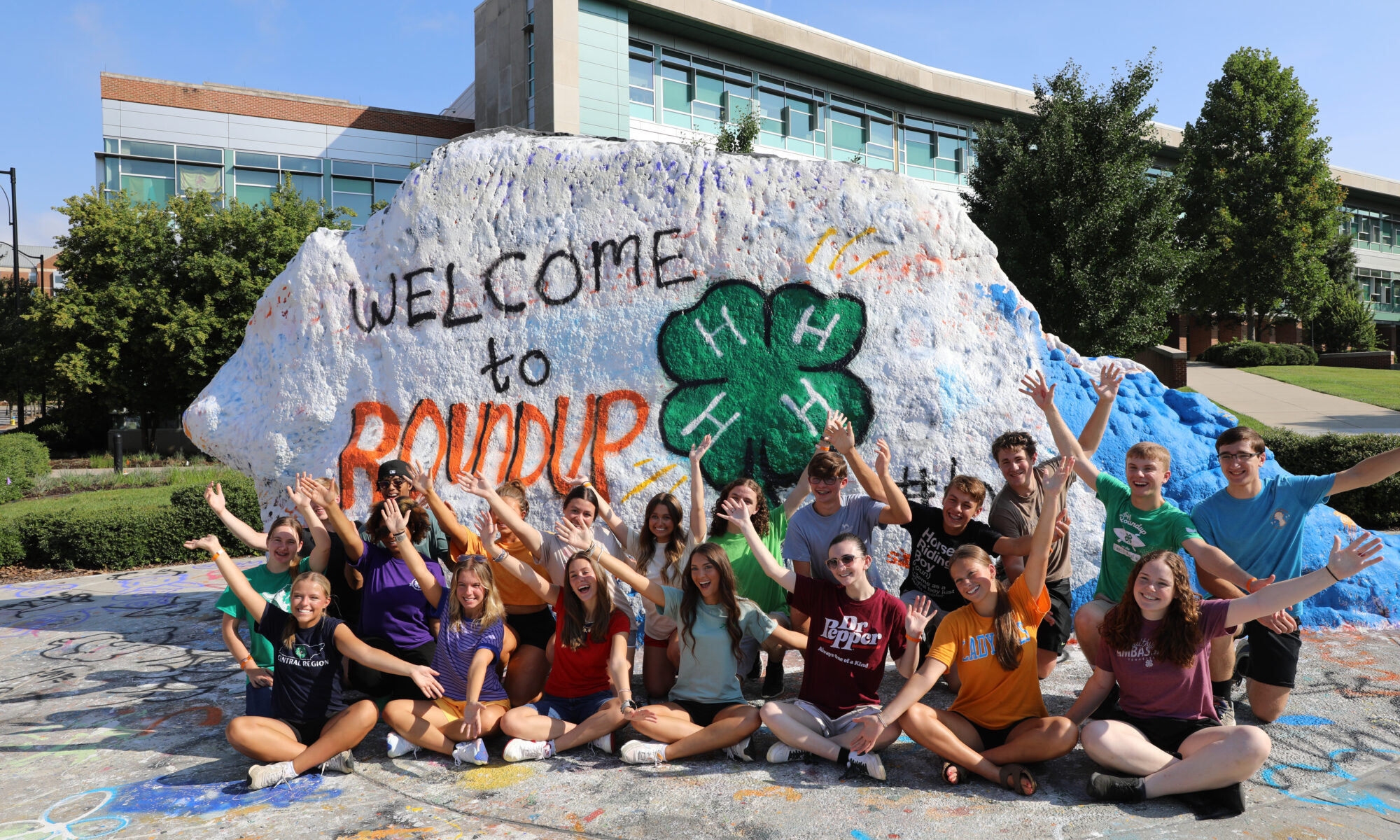
Camps and statewide events like Roundup, 4-H Academic Conference, and the Tennessee Leadership Summit build independence while introducing many young people to university environments across Tennessee. The experiences are often their first real encounter with higher education and the idea of continuing their education after high school.
The exposure becomes a bridge between “I’m interested” and “I can do this.” Through career-connected experiences, youth begin to link their project interests to real professions and opportunities. Harrison’s story captures that moment clearly: After meeting members across Tennessee who were passionate about projects but unsure how those interests connected to careers, he helped create Project to Profession to close that gap.
Project to Profession is one example of how 4-H helps young people turn interests into a plan, and there are many others. In 2025, 85 percent of Tennessee youth surveyed said 4-H helped them develop plans for their future.
At its heart, Tennessee 4-H helps young people discover what they’re good at, equips them with a valuable and well-rounded education, and then encourages them to share that knowledge with others, especially younger members. And the outcome shows up most clearly in the voices of the young people themselves: Jaiden stepping up to become a nurturing leader, Summer Grace learning to communicate with confidence, and Harrison describing a program that did not prepare him for a single moment but for the ability to recognize and pursue opportunity over time.
That is what it looks like when youth development is done intentionally across all ninety-five counties: Tennessee 4-H helping young people discover their strengths, build practical skills, explore future opportunities, and serve their communities. The result is a generation of young Tennesseans who are Beyond Ready: ready for life, ready for work, and ready to lead, whether their next step is college, a career, military service, entrepreneurship, or civic life.
From Corn Clubs to Careers
Tennessee 4-H began in the early 1900s with corn clubs for boys and canning clubs for girls—practical programs designed to help young people develop skills for life in their communities. Over time, 4-H grew far beyond its agricultural roots. While fairs and livestock projects remain part of the tradition, today’s Tennessee 4-H reflects the full lives of Tennessee youth, wherever they live, through STEM learning, healthy living, leadership, and service.
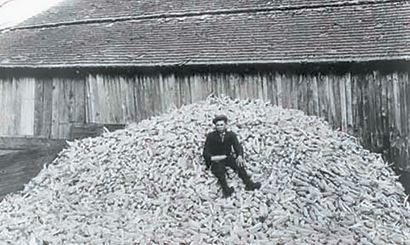
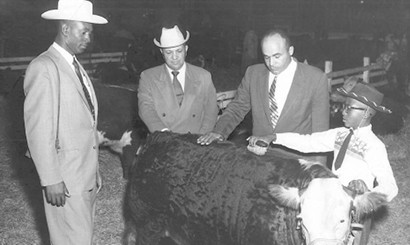
What hasn’t changed is the method: hands-on learning, supportive adults, and real responsibility. And the story has never been about 4-H alone. Generations of volunteers, donors, partners, and UT and Tennessee State University professionals have helped shape the program’s impact across the state, one young person at a time.
One 4-H’ers Experience, A Lifetime of Impacts
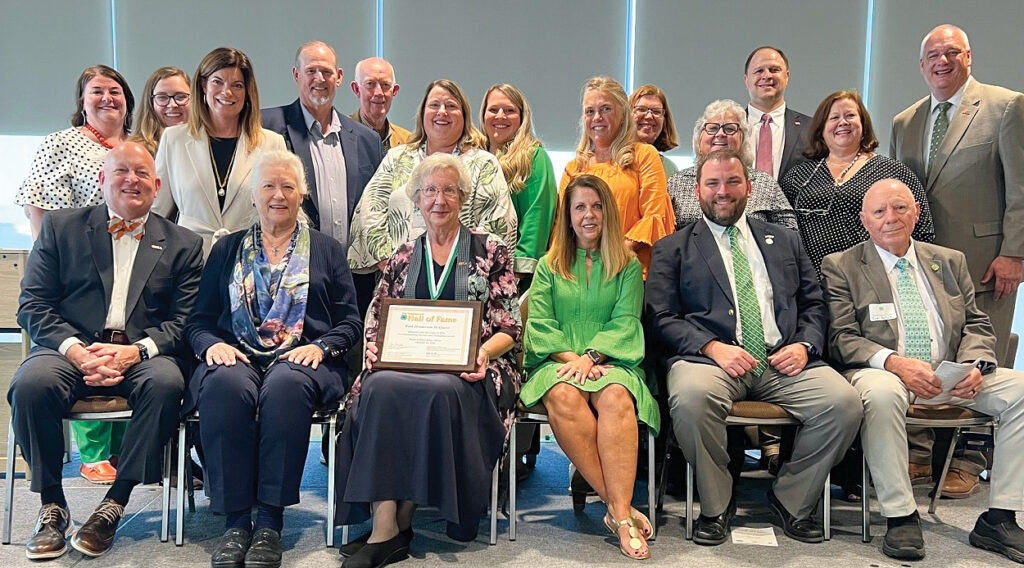
Ruth Henderson McQueen says she cannot say enough about how Tennessee 4-H transformed her life. “4-H gave me opportunities far beyond my rural roots, coming from a family with limited resources. It expanded my horizons and provided motivation for pursuing college degrees and a rewarding professional career, as well as giving back as a volunteer and advocate for agriculture and the land-grant university system.”
McQueen’s twenty-six-year career saw her serve as a county adult home economics and youth agent and an associate professor for the statewide Tennessee 4-H Youth Development program, touching countless lives and strengthening the 4-H program. In recognition of those achievements, she was inducted into the National 4-H Hall of Fame in 2024 for her lifetime achievement and contributions to 4-H.
New Leadership Structure Positions Tennessee 4-H to Continue Immense, Positive Impacts on State’s Youth
“Making the best better.” That’s a motto of Tennessee 4-H Youth Development. It’s also the goal for a new leadership structure for the state’s historic youth development program.
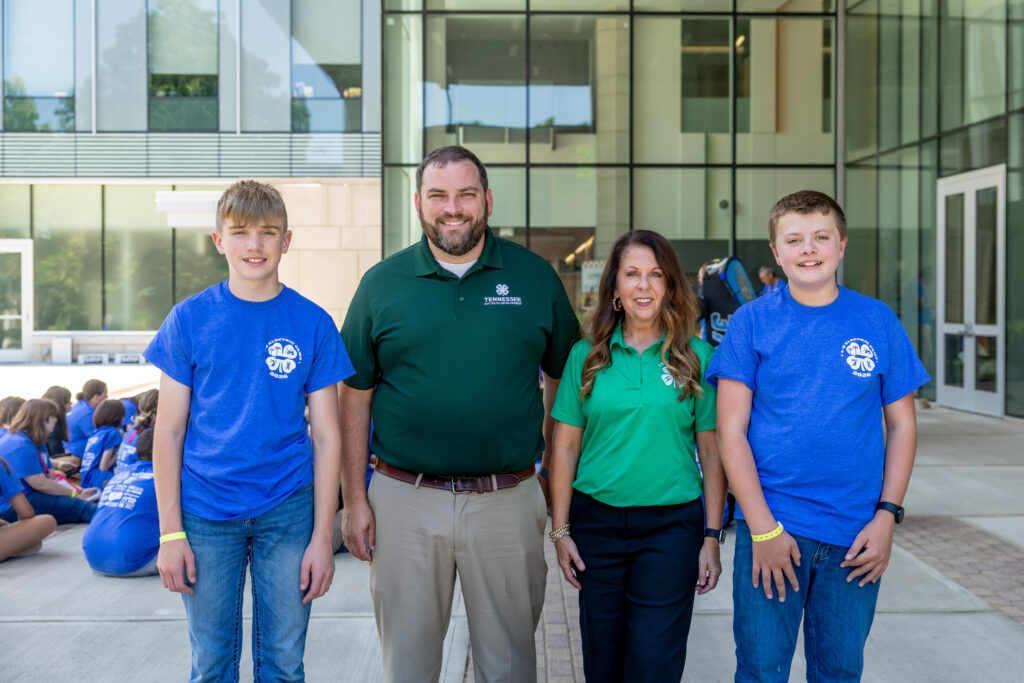
UT Extension is strengthening the senior leadership structure of Tennessee 4-H through the appointment of Ryan Hensley as executive director and Jamie Harris as state program leader. Together, the roles are designed to enhance Tennessee 4-H’s statewide leadership capacity, build on the organization’s historic strengths, and position the program for even greater prominence and impact in the years ahead.
Explore all the ways you can get involved with Tennessee 4-H!
Explore More on
Cover Articles
MORE FROM THIS ISSUE