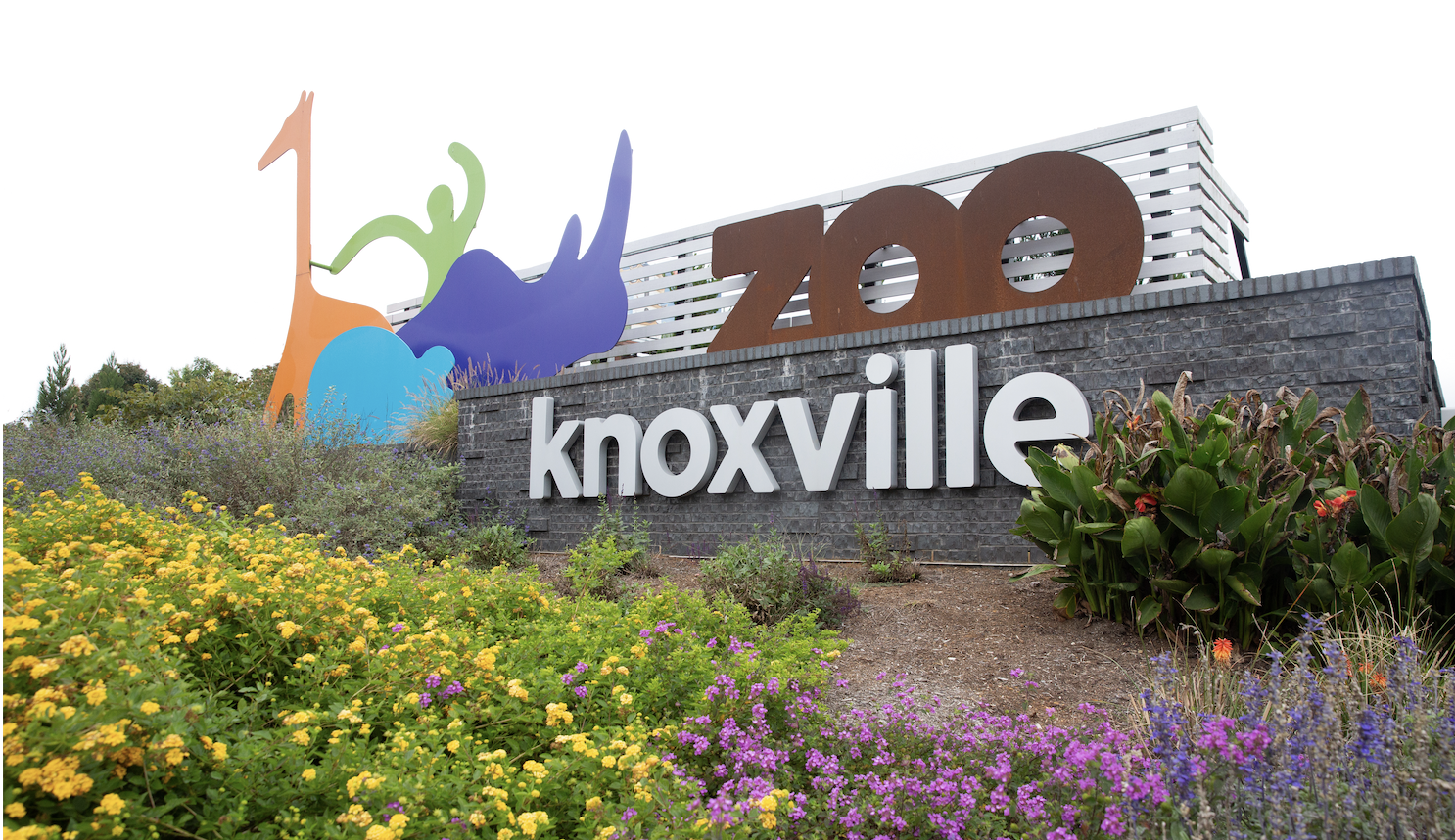
Ella Wilds, a graduate teaching assistant in the School of Natural Resources, sees strong value for students in the school’s partnership with Zoo Knoxville, a new alliance that began in spring 2025.
“Teaming with Zoo Knoxville is providing students with a very interdisciplinary opportunity to incorporate skills from forestry, horticulture, and wildlife management,” she says. “Plus, it’s just a great group of people collaborating on such an exciting and impactful project at the zoo.”
The partnership engages UT students in learning about the habitat needs of exotic creatures in a new course called FORS 492: Practicum in Forestry. In the course, students partner with Zoo Knoxville to inventory current plant species for the safety of its animals, staff, and visitors.
Launching the Course
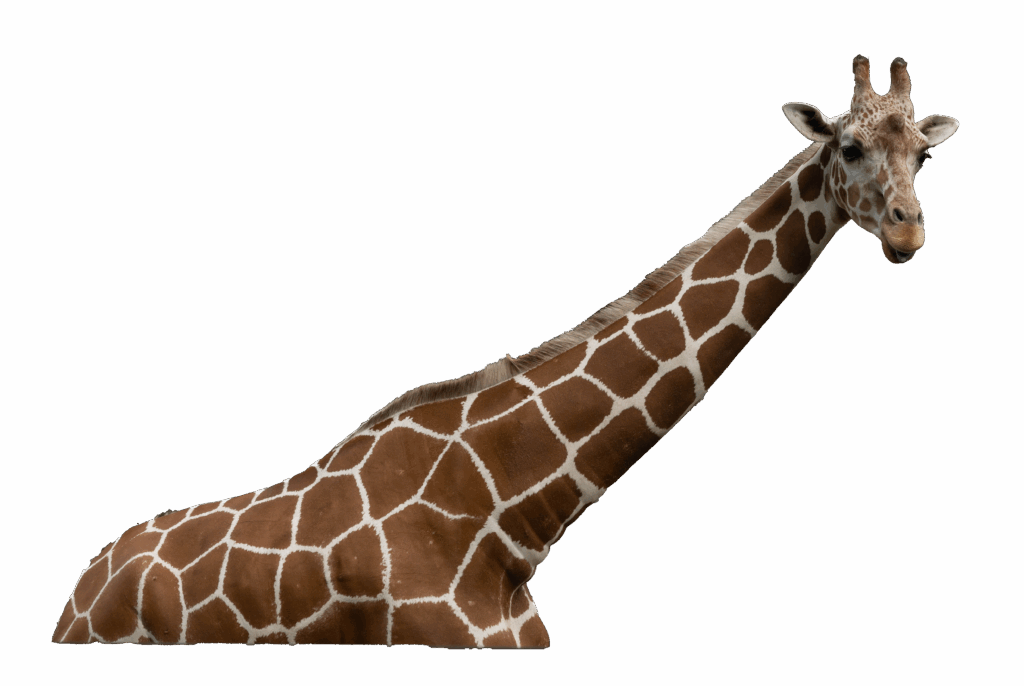
The partnership began when Zoo Knoxville contacted Sharon Jean-Philippe, professor of urban forestry, to assist with the zoo’s browse task force committee to improve the quantity and quality of browse (leaves, soft shoots, or fruits of high-growing, generally woody plants) available on-site for its large herbivores, like giraffes and rhinoceroses.
Additionally, Jean-Philippe says the zoo needed help teaching staff how to identify trees and toxic plants; responsibly and sustainably harvest browse from trees and plants; and plan pruning, maintenance, and planting of new vegetation.
Urban Forestry’s Role
The school’s urban forestry concentration started this work in the spring 2025 course FORS 335: Principles of Urban Forestry. The concentration is known for its community outreach and community-focused student projects, such as improving the tree cover at Knoxville’s Safety City, a miniature city of kid-sized buildings created by the Knoxville Police Department to teach elementary school children pedestrian, bicycle, and fire safety.
Jaq Payne, lecturer in urban forestry, ran the zoo project during the Principles of Urban Forestry course. The class is available to UT students from all disciplines, including majors such as sustainability, accounting, and more.
Wilds, a master’s student in urban forestry, plays a critical role in the ongoing project, working toward the implementation of an on-site browse plantation, coordinating schedules and plans between students and the zoo, and guiding students through the process of inventorying vegetation and building management plans.
Since students in Principles of Urban Forestry kicked off the project, students in the Practicum in Forestry course have extended the project by engaging in data collection and tree inventory. The practicum is held during summer and fall semesters and is open to all students.
A Thorough Approach
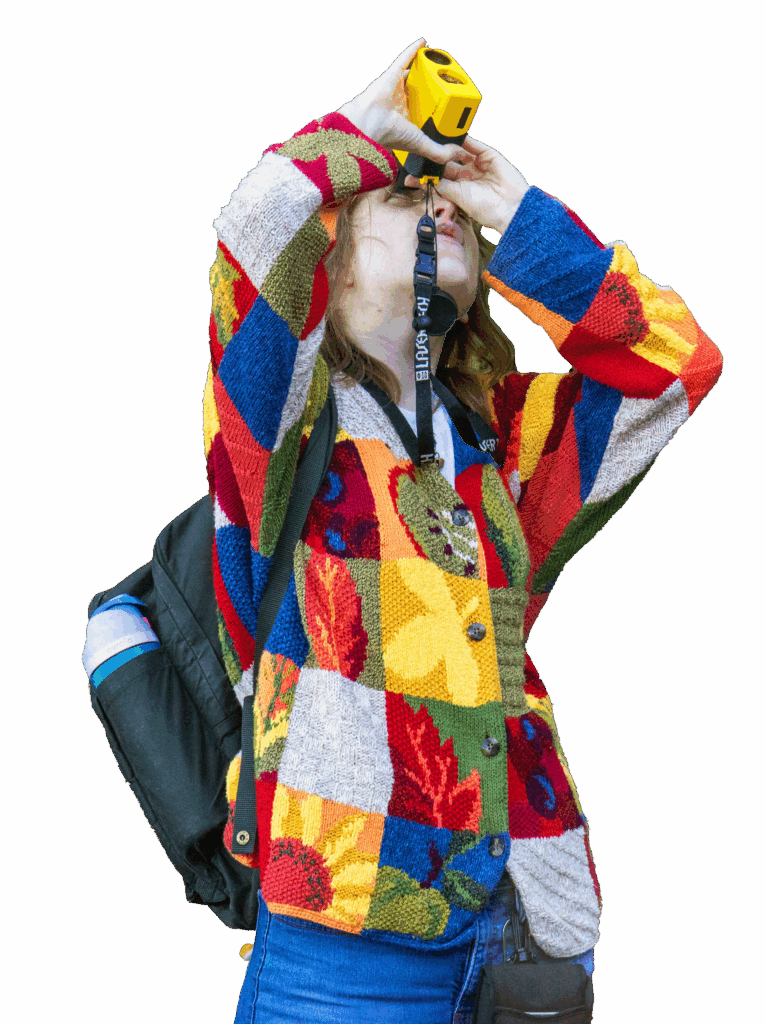
Jean-Philippe says it quickly became clear that the project required a multi-phase, multi-year approach. The first step involves taking inventory of vegetation on-site, starting with the exhibits to ensure toxic plants are not growing around the animals. “Then the team can make recommendations for the removal of toxic or dangerous plants and trees, the planting of future vegetation and more enriching design of exhibits, and the ongoing maintenance required to keep vegetation healthy and safe for people and animals,” she explains.
During the fall 2025 semester, Practicum in Forestry students finished the data collection and tree inventory, identifying herbaceous plants, and making recommendations for future plantings. Additionally, students compiled a binder of toxic plants to help zoo staff identify which plants are dangerous for people or animals.
Student and Community Impact
Payne speaks to the impact of this work on students, “The students have and will continue to gain knowledge about plant identification and health in addition to learning how animals interact with plant communities around them.”
Payne continues, “This is a unique project that builds both hard and soft skills: data collection and analysis; teamwork; communication with the public, clients, and professional partners; and understanding the complex interactions of people, animals, and vegetation.”
The Zoo Knoxville project will likely run until 2031 as School of Natural Resources faculty and students continue to inventory vegetation, make recommendations and management plans, and assist with future vegetation planting.
The School of Natural Resources team works closely with Zoo Knoxville conservation and science manager Sheela Hira and zookeeper Cortney Norris, who helped make the Practicum in Forestry course possible.
The course and teamwork demonstrate the value of community partnerships and provide invaluable practical experience to students working at the zoo. Additionally, the project exposes UT students of various majors to the hands-on nature of education in the Herbert College of Agriculture.
Explore More on
Features
MORE FROM THIS ISSUE