In 1914, the Elrod family left Putnam County, Tennessee, and resettled just north of the Middle Tennessee town of Manchester, where they soon met the Mayfields, whose place was two farms over from theirs. Like the plot of a classic Broadway musical, the two families gradually blended, with three of the Elrod boys marrying Mayfield girls, and one Elrod daughter marrying a Mayfield son. More than a century later, their legacies are now coming into view.
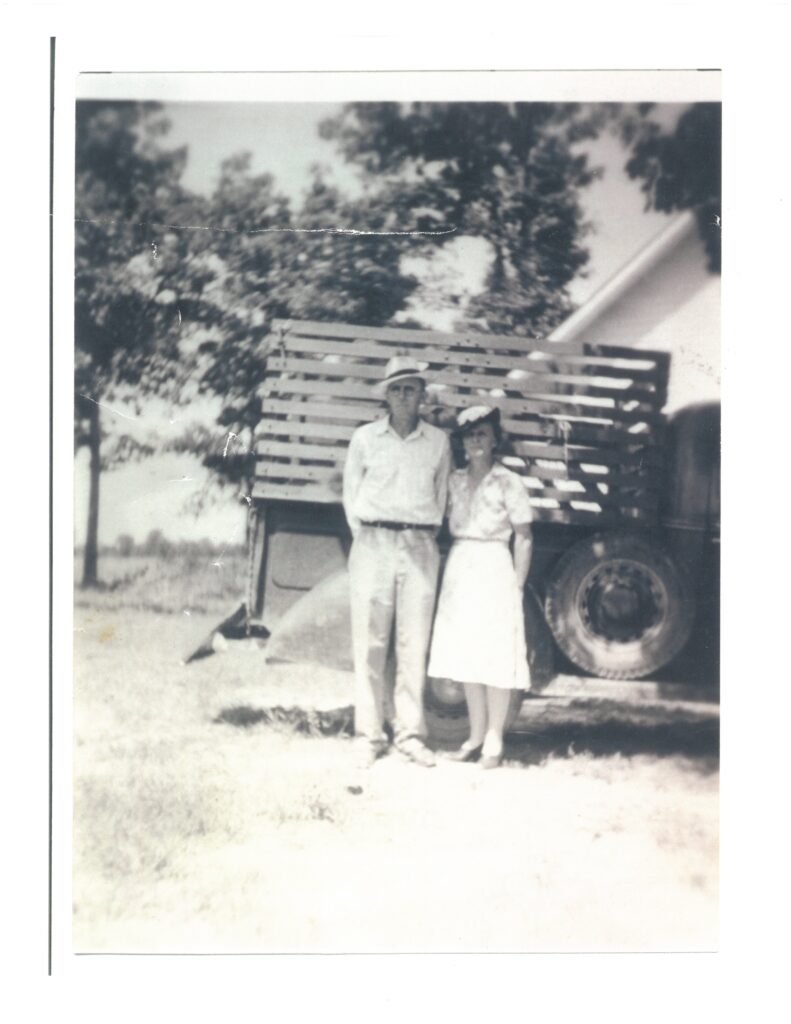
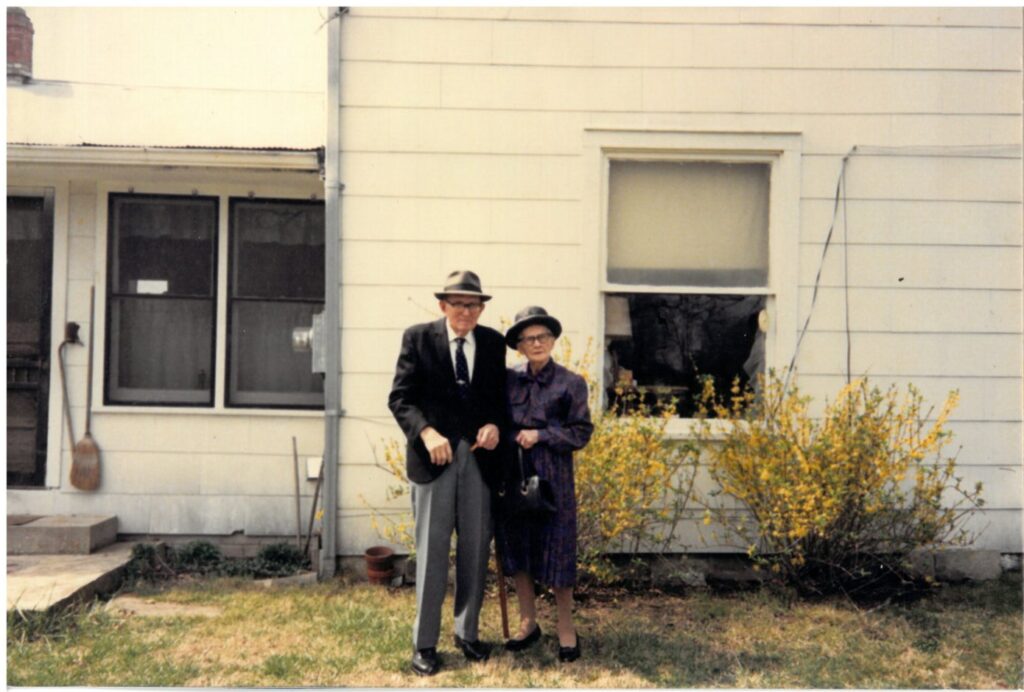
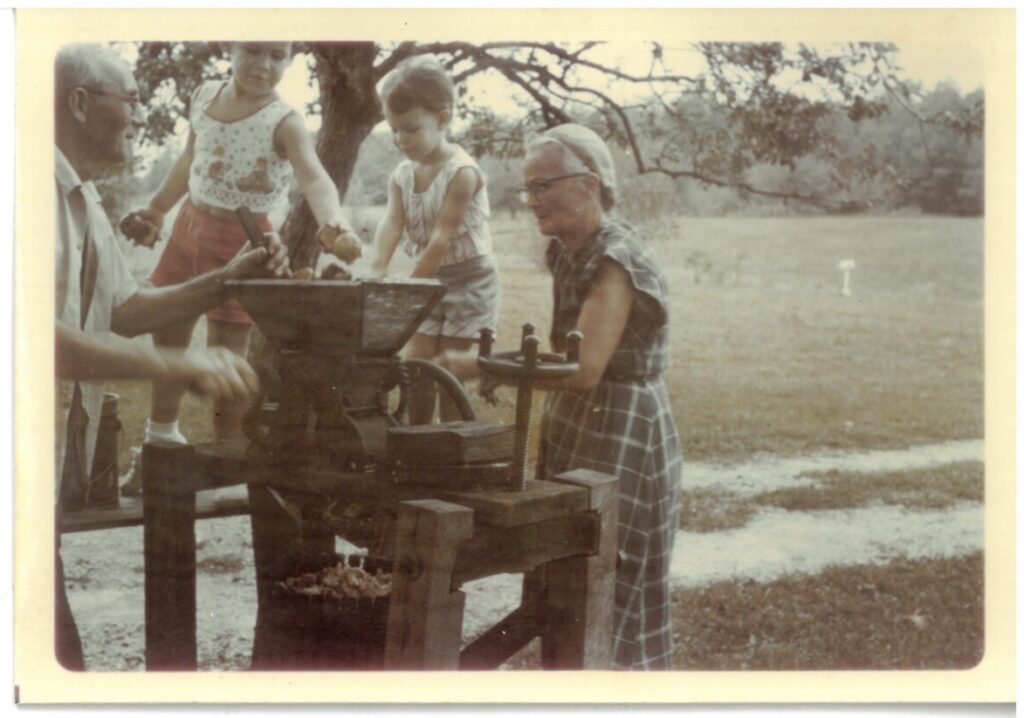
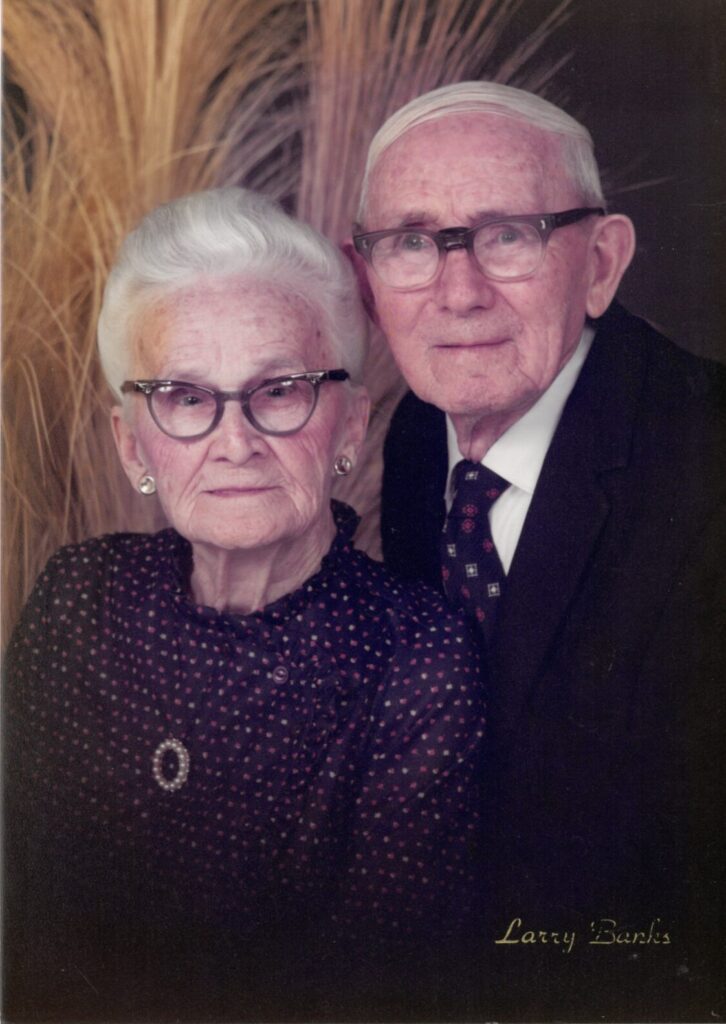
Charlie Elrod and Mattie Mayfield, both still teenagers at the time, married in 1916 and set out for Lincoln, Nebraska, where they worked on a relative’s farm and saved money to get a place of their own. After a decade, they returned to Coffee County, with young son Lee Roy in tow, and in 1927 purchased the remaining two-thirds share of the 106-acre Elrod farm from Charlie’s brothers. The Elrods and Mayfields would become leaders of the county’s Fredonia community, helping to build roads and to establish churches, schools, and the local community center.
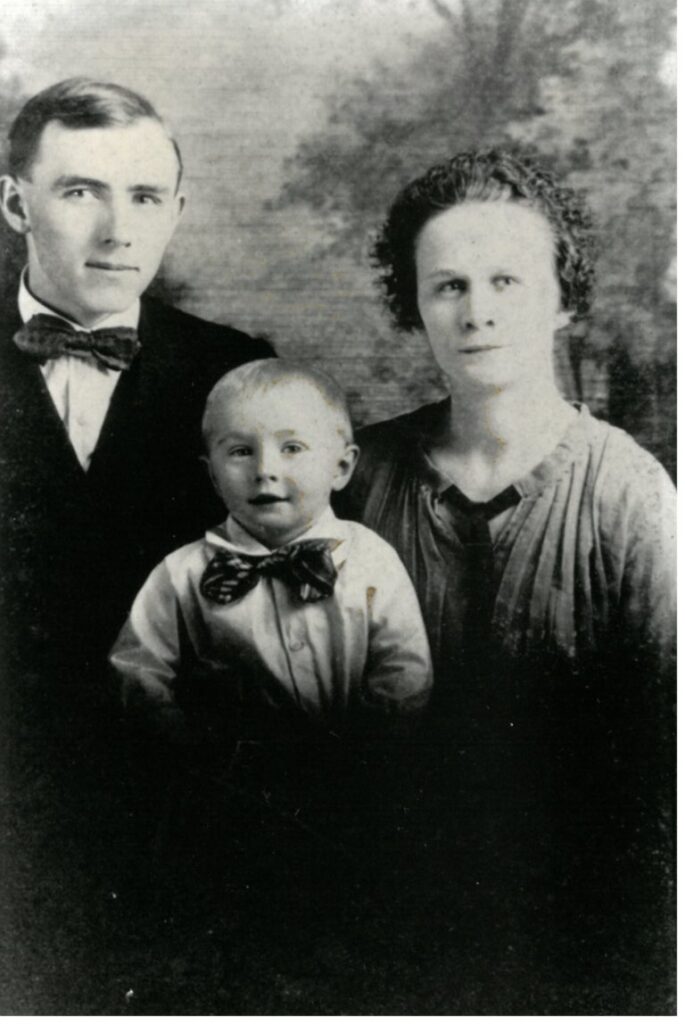
When Lee Roy was discharged from the US Army following World War II, he returned to Manchester, married Mary Katherine Lusk and started a family of his own, eventually building a home across the street from Charlie and Mattie in Fredonia. Lee Roy and his son, Keith, were carpenters; daughter Bobbie became a teacher; her sister, Marilyn, studied math and worked in technology.
The Elrod and Mayfield story is typical for many rural Tennesseans in the sense that younger generations of farm families often feel a deep allegiance to their land, even when they themselves don’t feel called to work it. When Mattie died in 1998 at the age of 98, the Elrod farm passed directly to her grandchildren, leaving Marilyn and Bobbie Elrod with the difficult decision of what to do with the increasingly valuable property.
“Developers were all over the seventy-acre farm, and then I had twenty acres across the road,” Marilyn recalls. “The calls from developers were constant, and it was really bugging me.”
Local farmer Sammy Morton had taken over everyday operations of the farm in 2010 and aspired to buy it. Like so many working farmers, Morton was experiencing shrinking profit margins per acre and was looking for opportunities to expand. After investigating other options, including conservancies and easements that would restrict use of the land, the Elrods came to terms with Morton.
“‘I can’t pay developer prices, Sammy told me, and I said, ‘I don’t want developer prices. We’ll come up with the farmer’s price,’” Marilyn told him. Because she was willing and able to sell below real market value, Marilyn was able to guarantee the Elrod place would remain a farm for at least a few more generations. “After that, all bets are off,” she says with a certain resignation.
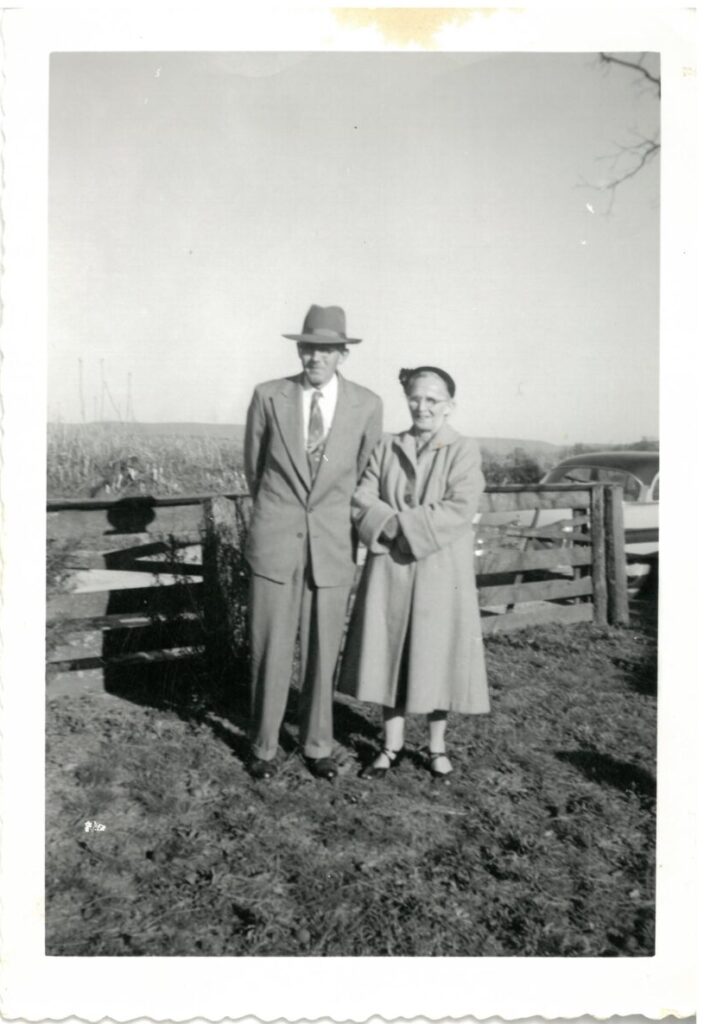
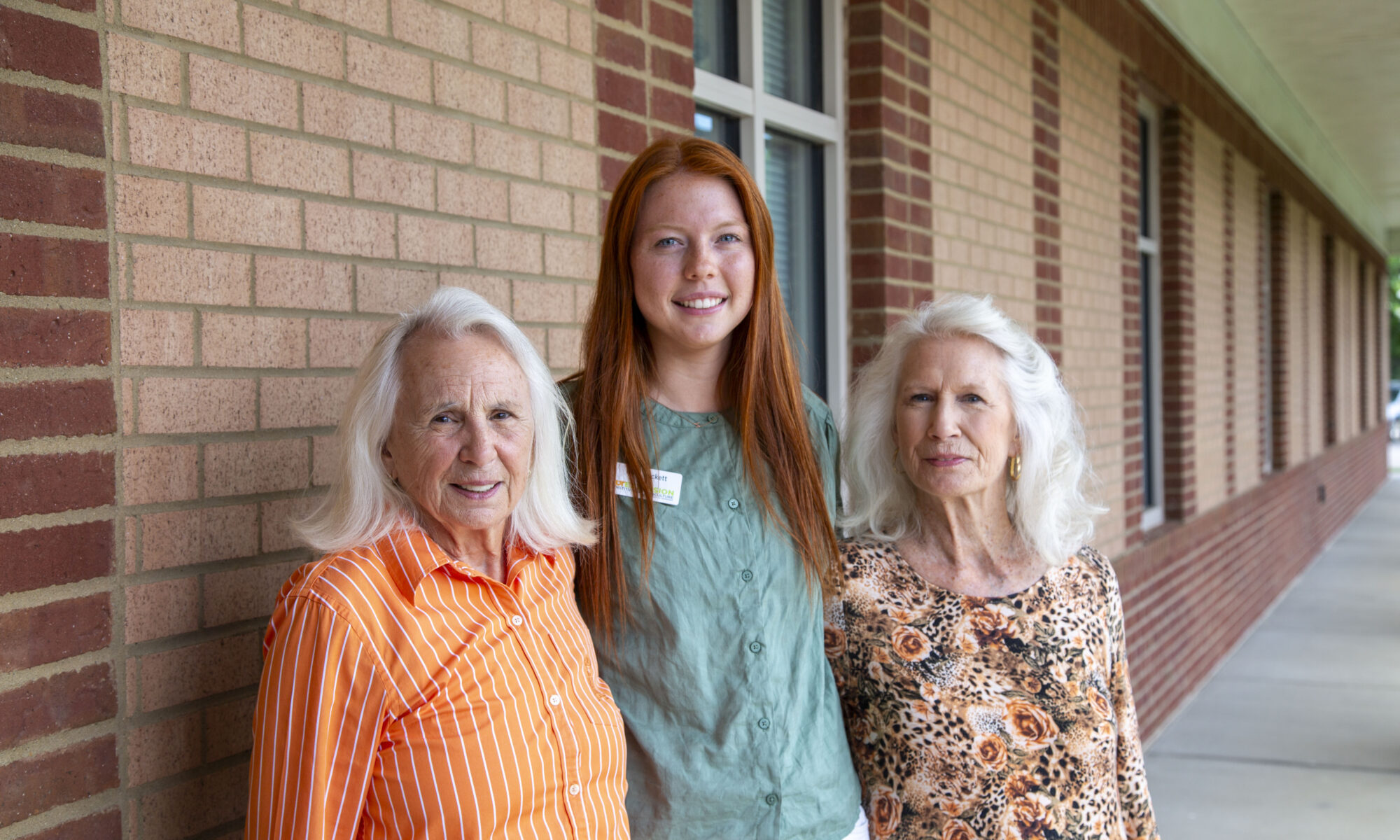
Already a supporter of her alma maters, UT Knoxville (BS mathematics ’70) and Middle Tennessee State University (MS mathematics ’72), Marilyn then went to work on finding the best way to invest her resources, with the ultimate goal of helping other families make best use of their land. The solution was the establishment of the Charlie and Mattie Elrod Internship Endowment Supporting Small Farms in Tennessee, a first-of-its-kind internship program offered through UT Extension.
The inaugural internship was awarded in 2025 to Nina Puckett, a senior in food and agricultural business in the Herbert College of Agriculture. She spent last summer working in the UT-TSU Extension Wilson County office, where she visited with local farmers, listened to their stories, and learned about the daily challenges they face. (A recent UTIA study found that Tennessee has lost more than two hundred acres of farmland each day since 2017.)
In addition to working with youth at 4-H day camps and shows, Puckett devoted much of her internship to developing a kit called “Farm Forward,” which gathers materials to help guide families through difficult conversations.
“It encourages families to keep the land by showing them how to make money from land leases, agritourism, land trusts, and so on,” Puckett says. “Also, it lets them know that there’s support and that UT Extension can offer aid in some way. We don’t want to lose those farmers.” After interning in the Wilson County office, Puckett is considering returning full time to Extension after graduation.
Marilyn takes a well-deserved pride in Puckett’s efforts and in her grandparents’ legacy. “It’s in their names. Not mine. Not Bobbie’s. Every person who gets the internship will know their names.”
Explore More on
Features
MORE FROM THIS ISSUE