Tennessee’s Vanishing Farmland
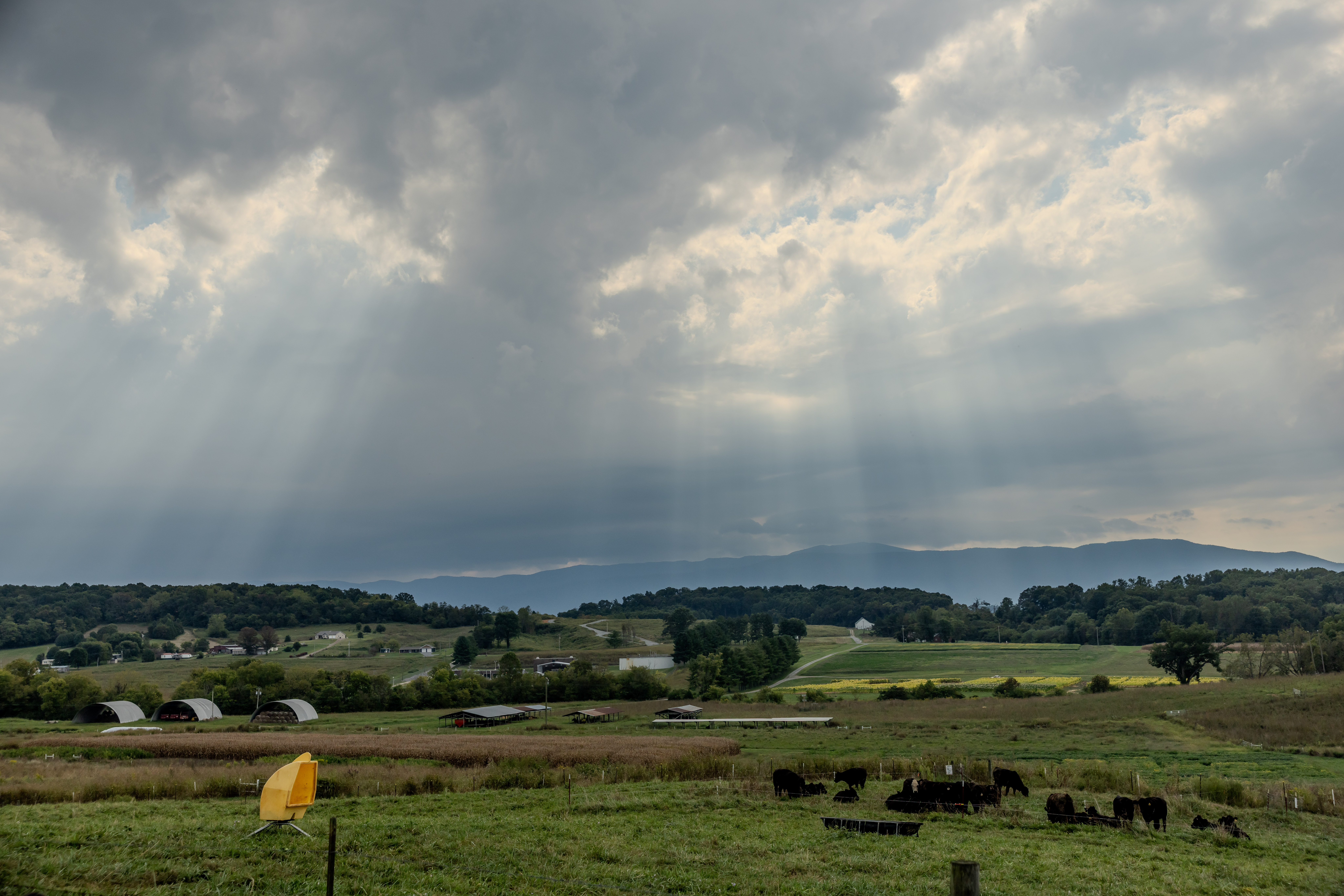
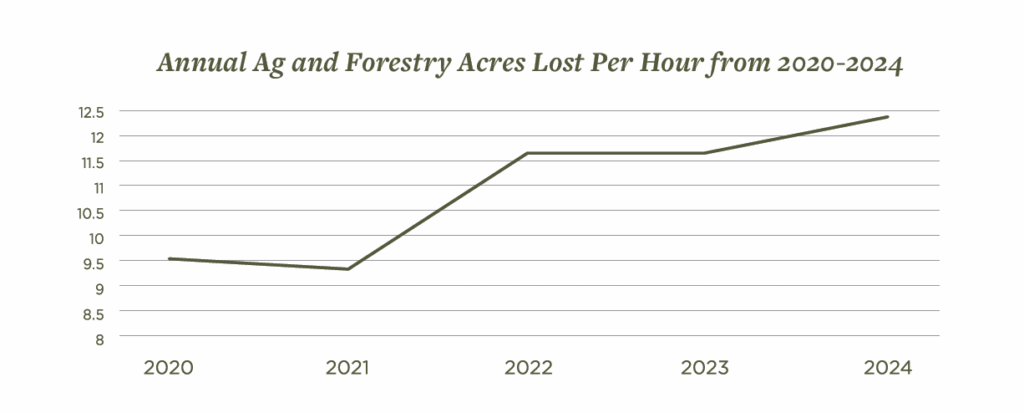
Every day in Tennessee, an average of 297 acres of farm and forestry land are replaced by roads, buildings, and other forms of development. While these additions often bring new opportunities to communities, the land rarely reverts to agricultural use, posing a growing threat to the state’s $89 billion-a-year farming industry.
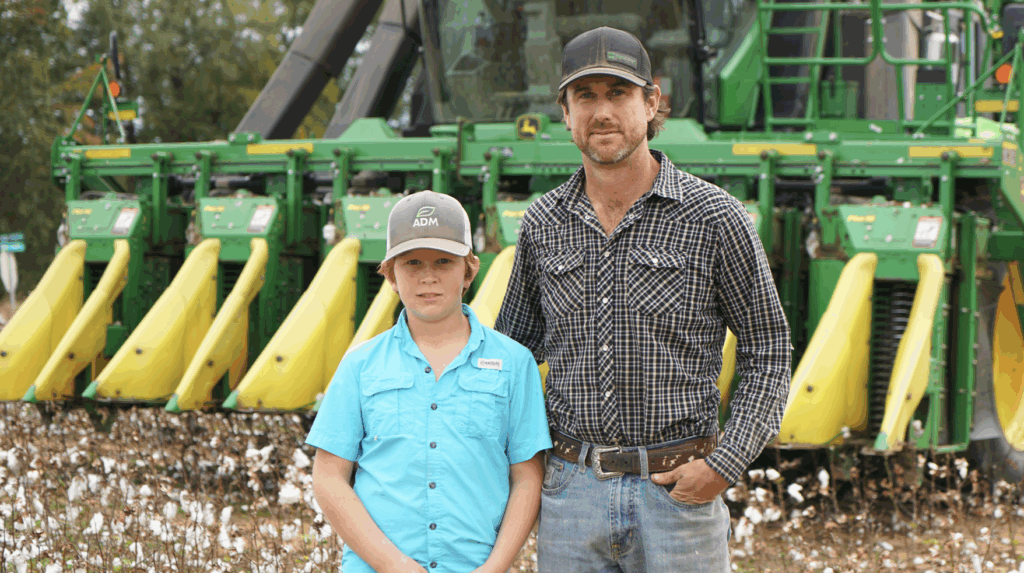
“Our family would like to buy the farmland we currently rent, but these acres are in high demand,” says Scott Farmer, a row crop producer and co-owner of Woods Farms in Stanton, Tennessee. “I can’t pay $9,000 an acre and expect it to pay off in the long run.”
The farmer grows crops full time in Haywood County, working alongside his father-in-law and brother-in-law. However, the planned Tennessee Truck Plant is expected to open in the county. As a result, the area faces significant industrial, residential, and commercial expansion with property developers and agricultural producers alike competing for available acreage.
Balancing Development and Preservation
“New amenities and businesses are coming to our county,” Farmer says, “and developers often buy farmland because it’s frequently flat and easy to build on. Increased traffic complicates transporting farm equipment, and current prices make buying land infeasible for most producers.”
Yet the economic development benefits of the Tennessee Truck Plant for the county, its region, and the state are undeniable. Haywood County is not alone. Farmland near metropolitan areas such as Nashville and Knoxville also is rapidly transitioning to other uses.
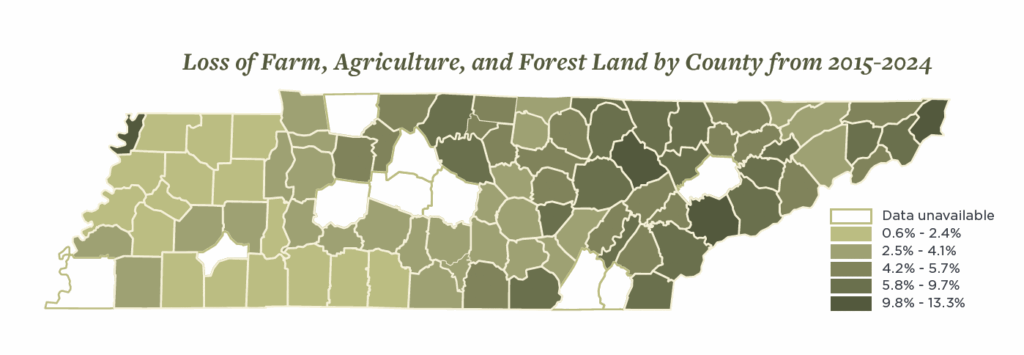
“Land loss isn’t new, but the annual rate of change has started increasing,” says Charley Martinez, assistant professor and Extension specialist in the Department of Agricultural and Resource Economics. “Tennessee ranks third nationally in farmland loss, making it urgent to balance new construction with the preservation of decades-old operations. Many producers age out without successors, so selling land becomes their best retirement option.”
Solutions to Protect Farmland
Devising antidotes to Tennessee’s farmland loss is one of the primary charges of the UT Center of Farm Management, established in 2022 under Martinez’s leadership. The Tennessee Farmland Legacy Partnership educates farmers and landowners on ways to protect their businesses’ future amid financial stress and declining interest in the industry among younger generations.
“The Tennessee Farmland Legacy Partnership bridges producers, landowners, attorneys, accountants, and others interested in transitioning the farm,” Martinez explains. “We are excited to reboot the program in 2026 with updated information and additional resources.”
To support producers facing economic uncertainty, the center provides the MANAGE program, which stands for Measuring, Analyzing, Navigating, and Achieving Goals Effectively and features one-on-one financial advising by Extension specialists to help agricultural business owners make farm management decisions. As of 2025, more than 15,000 Tennessee families had participated in the program.
The UT Center of Farm Management website provides detailed statistics on crop, pasture, hay, and forestland loss.
A Statewide Priority
Data from the center helped inform the development of the Tennessee Farmland Preservation Act, signed into law by Governor Bill Lee on May 12, 2025. The act establishes a voluntary program with a $25 million state fund to grant money to landowners committing to permanently protect farmland and forests through conservation easements that prevent future non-agricultural development.
“We all rely on producers to grow food, fiber, and fuel on our precious farmland,” says Lindsay Stephenson, director and agriculture and natural resources agent with UT-TSU Extension Haywood County. “Farmers face economic hurdles, with crop prices currently in the bottom third of the past fifteen to twenty years. Accessible programs addressing land loss in all ninety-five counties in Tennessee are vital to supporting agriculture amid rising production costs.”
As Tennessee continues to grow, so does the pressure on the very land that sustains its agricultural heritage and local food supply. Balancing development with conservation isn’t just a rural issue; it’s a statewide priority that will shape the future of food, communities, and generations to come.
Explore More on
Features
MORE FROM THIS ISSUE