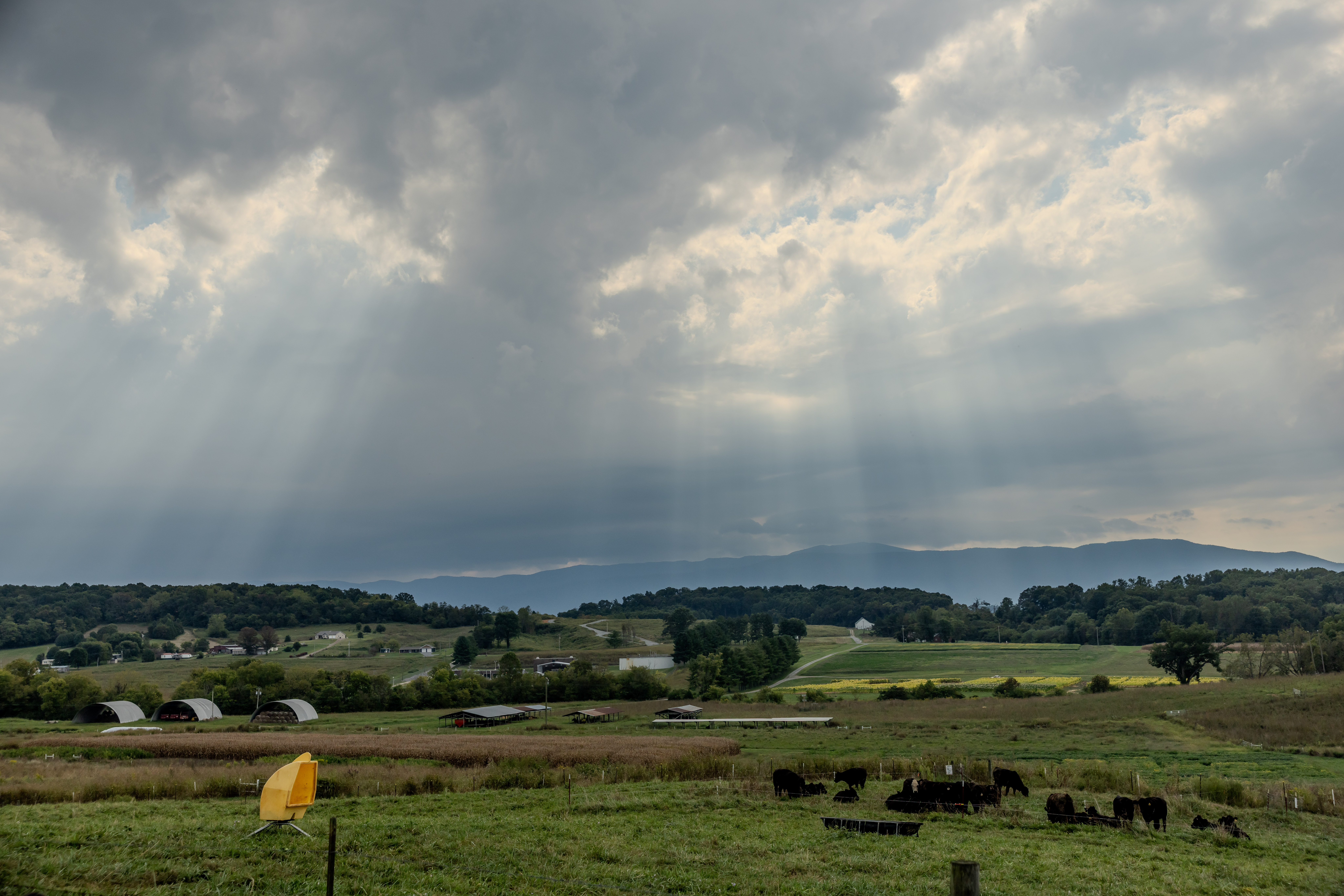
The precision agriculture work underway at the UT Institute of Agriculture represents a paradigm shift— one that promises greater efficiency, sustainability, and resilience in the face of growing challenges.
Twelve-year-old Drake Holt has big plans for his future. Growing up on a homestead farm, he dreams of having his own farm one day—a place with cattle, turkeys, chickens, vegetables, and cutting-edge technology.
“Lasers, thermal imaging, and drones. I can see using those,” says Drake, a 4-H member who is already thinking about how innovation can shape agriculture. Last August, at an Artificial Intelligence Camp held at the Clyde York 4-H Center in Crossville, Tennessee, Drake joined other youth in hands-on learning experiences about how advanced technology can transform farming practices.
Funded by a UT System Grand Challenges grant, the camp encouraged creative problem-solving and introduced participants to next-generation artificial intelligence tools they might use in their future careers. In a session about precision agriculture, Drake and his teammates created a top-down aerial map of a hypothetical California farm, proposing a flight path of autonomous drones as a potential solution to detecting crop hotspots. This scenario allowed students to address real challenges that farmers face in different growing climates, providing them with a new perspective on farming practices in regions other than their own. In addition to the drone flight path, their design included an irrigation canal system, automatic misters, and a color-coded key highlighting potential problem areas detected by the drone’s thermal imaging scans.
“It’s amazing how technology can make farming easier and better,” says Drake. “I never thought drones and sensors could help grow food, but now I can see how they’ll be part of my farm someday.”
Keith Carver, senior vice chancellor and senior vice president of the UT Institute of Agriculture, sees experiences like Drake’s as critical to food security and the future of Tennessee farms and rural communities. “We want to help Tennessee youth prepare for careers in an intensively data-driven field of agriculture,” he says. “And that’s what precision agriculture is all about.”

What is Precision Agriculture and Why Does it Matter?
Precision agriculture, often described as “farming for the future,” is a transformative approach to farming that leverages cutting-edge technology to optimize agricultural practices. It involves using tools such as GPS systems, sensors, drones, and data analytics to monitor and manage crops and livestock with remarkable accuracy. By tailoring inputs like water, fertilizer, and feed to specific needs—whether at the level of individual plants or animals—precision agriculture helps farmers maximize efficiency while minimizing waste. This paradigm shift in farming practices enables smarter decisions that improve productivity, profitability, and sustainability across Tennessee’s farms.
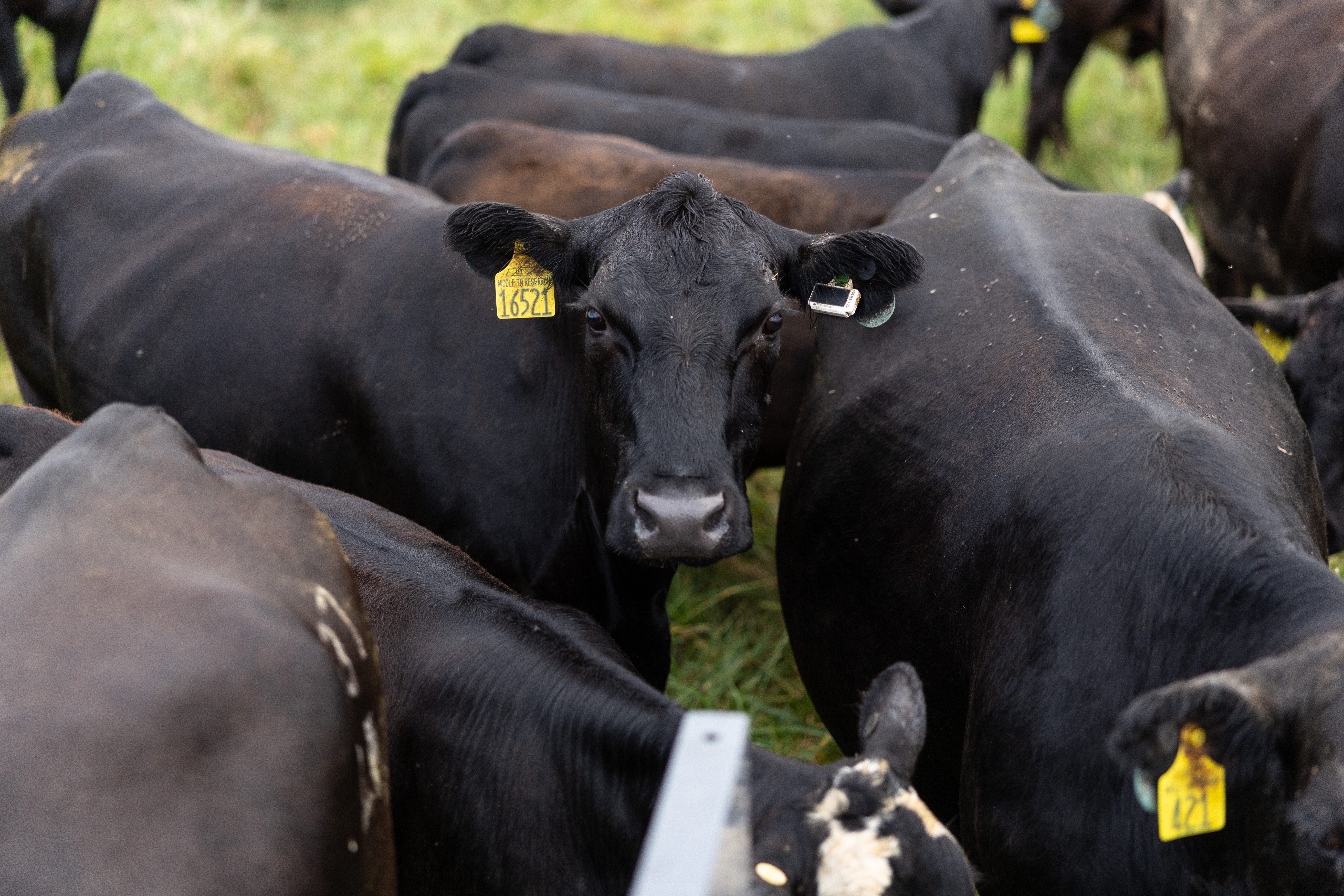
For Tennessee producers, precision agriculture is essential to address the challenges of shrinking farmland, rising input costs, and increasing demand for locally produced food. In livestock operations, wearable sensors can track vital signs such as temperature, heart rate, and lameness in individual cattle, alerting farmers to potential health issues before they escalate. Automated feeding systems ensure animals receive precisely the right amount of nutrients based on their individual needs, which not only improves animal welfare but also reduces feed waste—a significant expense for producers. These technologies allow farmers to better manage herd health and productivity while conserving resources, reducing environmental impact, and increasing profitability.
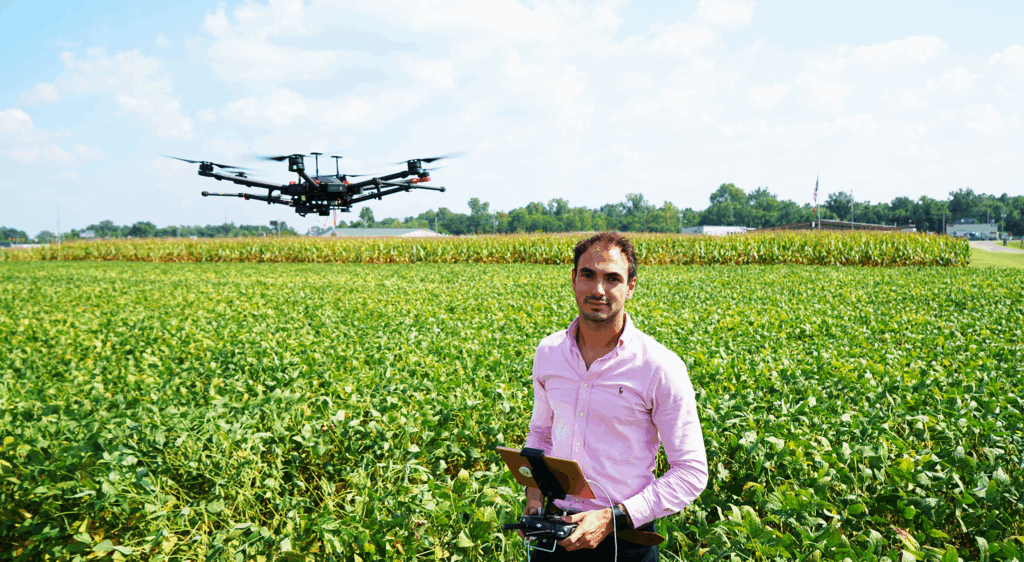
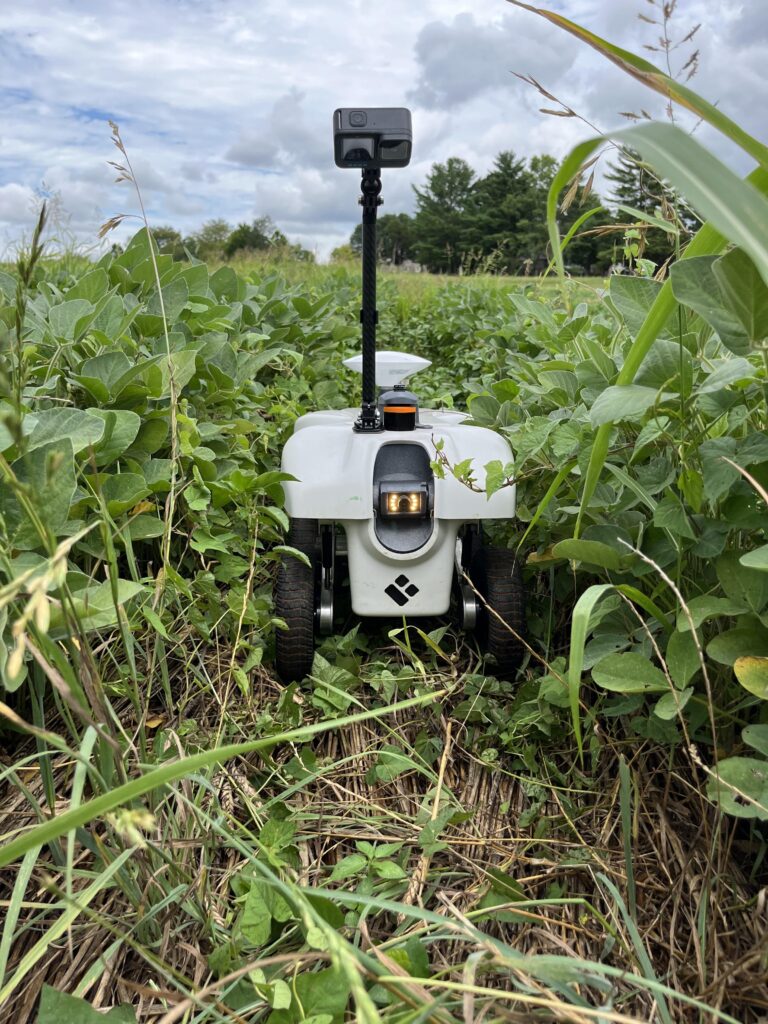
In row crop farming, precision agriculture enables farmers to analyze soil conditions across different areas of a field, guiding them in applying water, fertilizers, and pesticides only where they are needed. For example, drones equipped with imaging technology can identify sections of a field experiencing stress due to pests or nutrient deficiencies, allowing targeted interventions that save time and resources. This approach is especially critical in Tennessee where farmland is becoming increasingly scarce due to urbanization pressures.
For Tennessee residents, precision agriculture plays a vital role in ensuring access to fresh, locally produced food while safeguarding the environment. Livestock production enhanced by wearable sensors and automated feeding systems ensures healthier animals and more efficient operations. This means better-quality meat and dairy products on grocery store shelves and less strain on natural resources like water and land. Similarly, row crop farming benefits from technologies that optimize soil health and irrigation practices, reducing chemical runoff into waterways and preserving the state’s rich agricultural heritage. These advancements will help secure a stable food supply for communities across Tennessee while promoting sustainable practices that protect the environment for future generations.
Moreover, precision agriculture contributes to the economic vitality of Tennessee’s rural communities. By enabling farmers to cut costs and improve productivity, this approach supports the livelihoods of producers who are essential to the state’s economy. When local farms thrive, they create jobs, stimulate local businesses, and strengthen the fabric of rural areas— benefiting all Tennesseans through economic growth and community resilience.
Pioneering Research at the Institute of Agriculture
The institute is leading the charge in advancing precision agriculture research, particularly in the realm of precision livestock farming—a specialized branch focused on optimizing livestock management through technology. Researchers at UTIA are developing innovative tools that allow producers to monitor animal health, behavior, nutrition, and feed utilization efficiency with unprecedented accuracy.

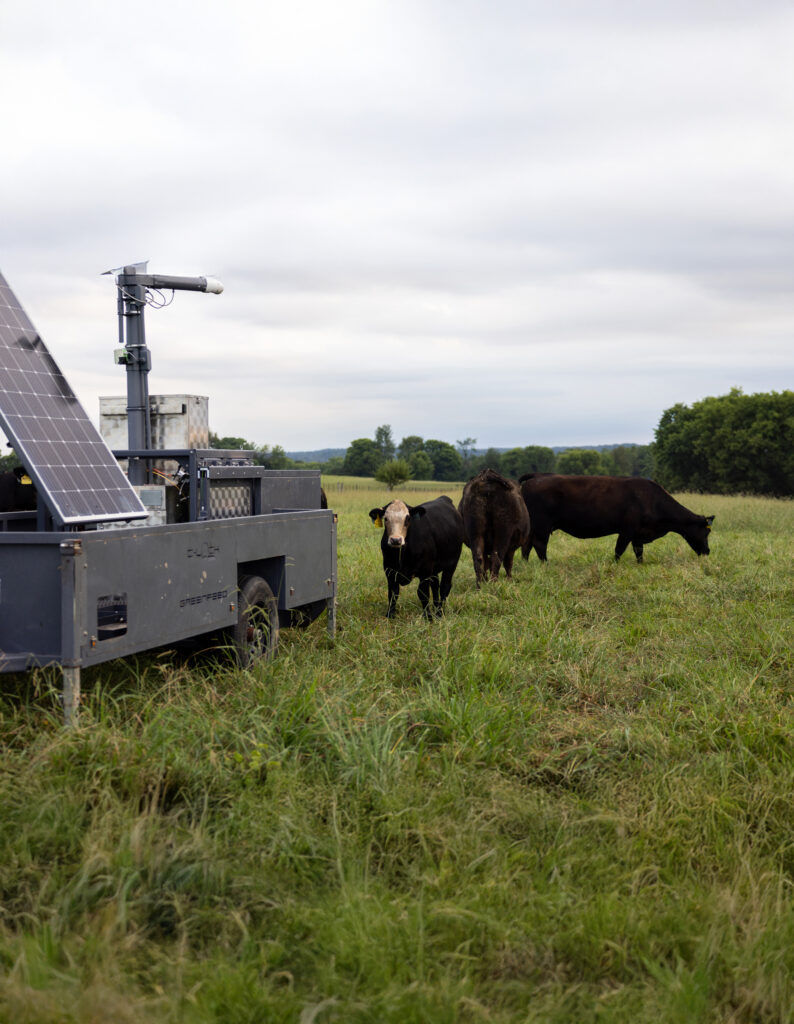
For instance, UT AgResearch scientists are exploring how real-time data from drones can help farmers detect stressors on cattle herds as well as early signs of illness, enabling swift intervention that prevents losses and improves overall animal welfare. Additionally, in-field equipment that weighs individual cattle and monitors their feed and water consumption are being refined to deliver tailored nutrition regimens that boost productivity while minimizing waste. These advancements not only enhance the efficiency of livestock operations but also contribute to sustainable farming practices that align with Tennessee’s commitment to environmental stewardship.
While livestock production is a key focus of UTIA’s research efforts, row crop farming remains an integral part of Tennessee’s agricultural landscape. The institute is also working on technologies that improve soil health monitoring and irrigation systems, ensuring that crops receive just the right amount of water and nutrients for optimal growth.
Through these efforts—and initiatives like workforce development programs for Tennessee 4-H youth and students in the Herbert College of Agriculture—UTIA is positioning Tennessee as a national leader in agricultural innovation. By equipping students with future-ready skills in precision technologies alongside disseminating research-based best practices to producers statewide through UT Extension programs, UTIA ensures Tennessee’s agricultural sector remains competitive in an evolving global landscape.
Through this outreach and the pioneering solution-oriented research at UTIA, Tennessee’s farmers are empowered with tools and knowledge to embrace farming for the future to ensure a thriving agricultural industry that benefits producers and consumers alike.
The Precision Agriculture Work Benefits Tennessee Livestock Producers
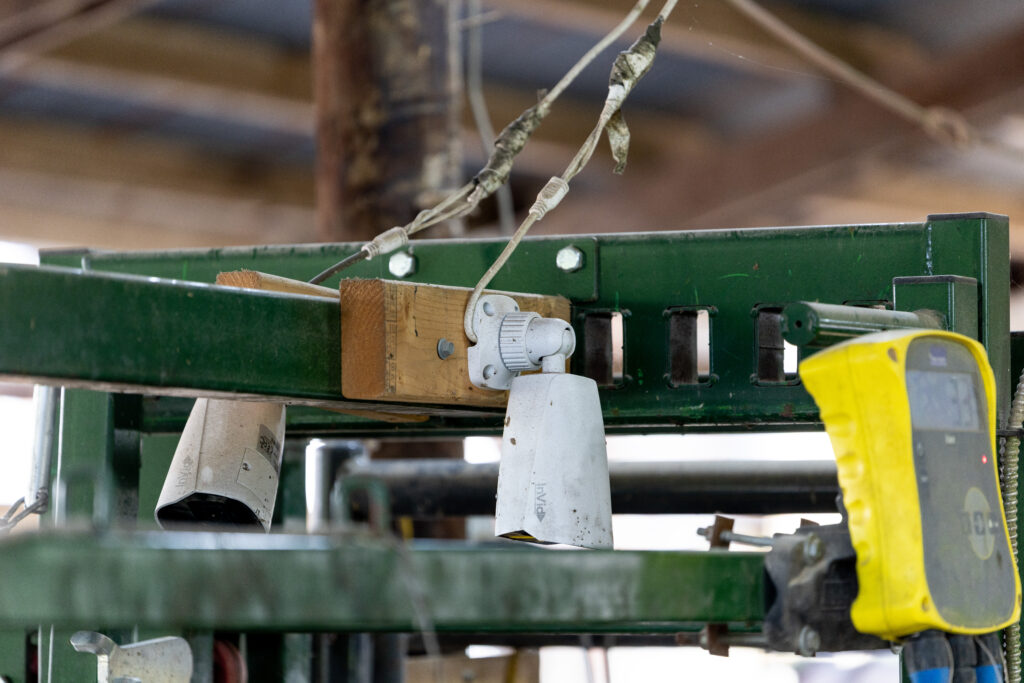
Growing more cattle on fewer acres of land is a big challenge. The Middle Tennessee AgResearch and Education Center at Spring Hill, a cow-calf operation where new methods and best practices for cattle operations are trialed, is a test bed for precision livestock farming strategies. Cattle there help test electronic ear tags, scales, and cameras and their associated technologies that save producers time, money, and manpower. The devices track individual animals instead of an entire herd or subset of a herd, eliminating human guesswork, error, or subjectivity and making the data more accurate and precise. Information is gathered as the animal goes about a regular daily routine, reducing stress for the animal and producer and saving the time of not physically rounding up individuals or the herd every time information, such as weight, is needed.
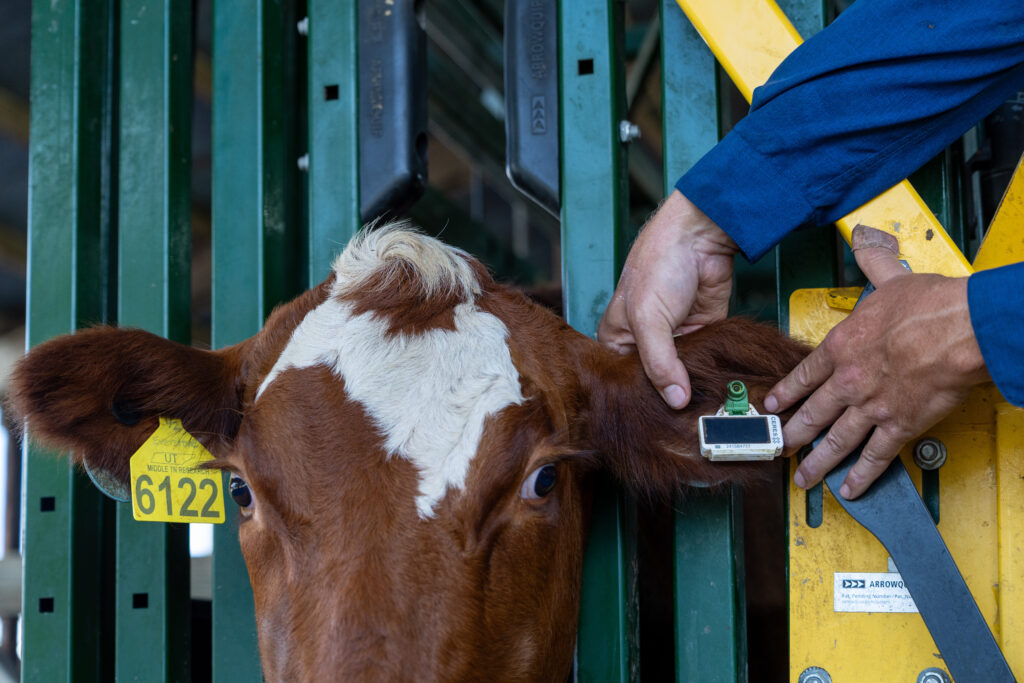
Livestock production accounts for approximately 40 percent of Tennessee’s agricultural receipts, underscoring its importance to the state’s economy. Precision livestock farming helps producers address challenges like rising input costs while improving efficiency and sustainability. About fifty cows at the center are testing CERES TAGS, a wearable device like a smartwatch except worn on the ear. Troy Rowan, assistant professor and Extension specialist in the Department of Animal Science, monitors the information the tags gather. “Every couple of hours it sends information about the GPS location, where cows have been, and where they are currently,” he says. Algorithms are used to determine if the cow is resting or grazing.
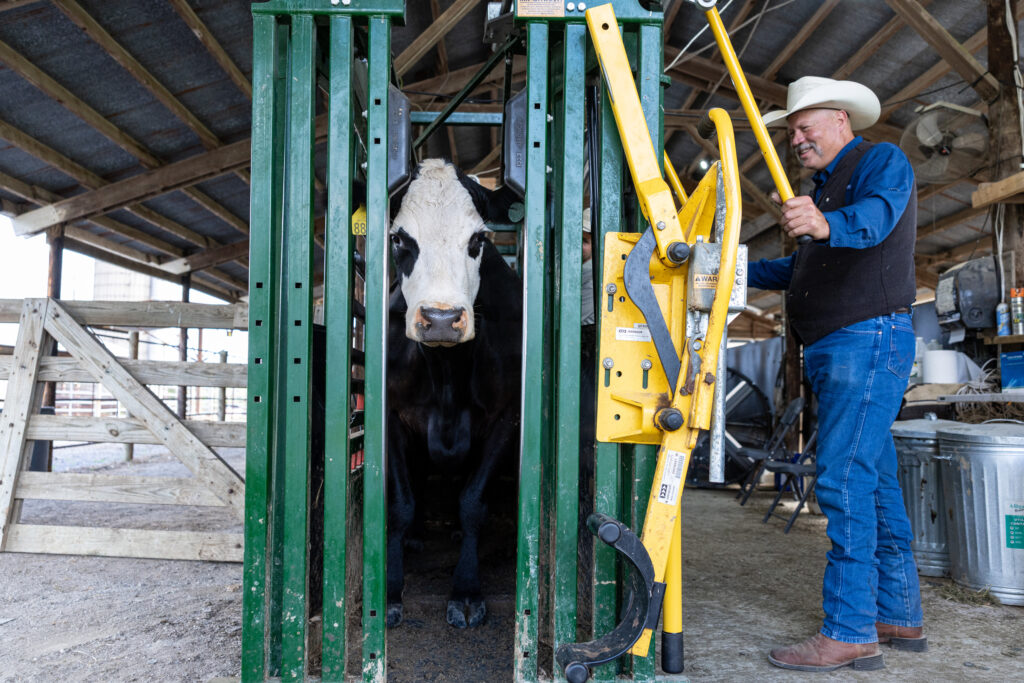
Rowan, who grew up on a beef cattle farm in Iowa, is interested in the genetic improvement of traits such as metabolic efficiency, or how much a cow eats compared with how much weight her calf gains. “Improving efficiency is the best tool we have for sustainably producing our cattle on a shrinking land footprint,” Rowan says. “Efficiency keeps beef on the plate and prices at what consumers are willing to pay.”
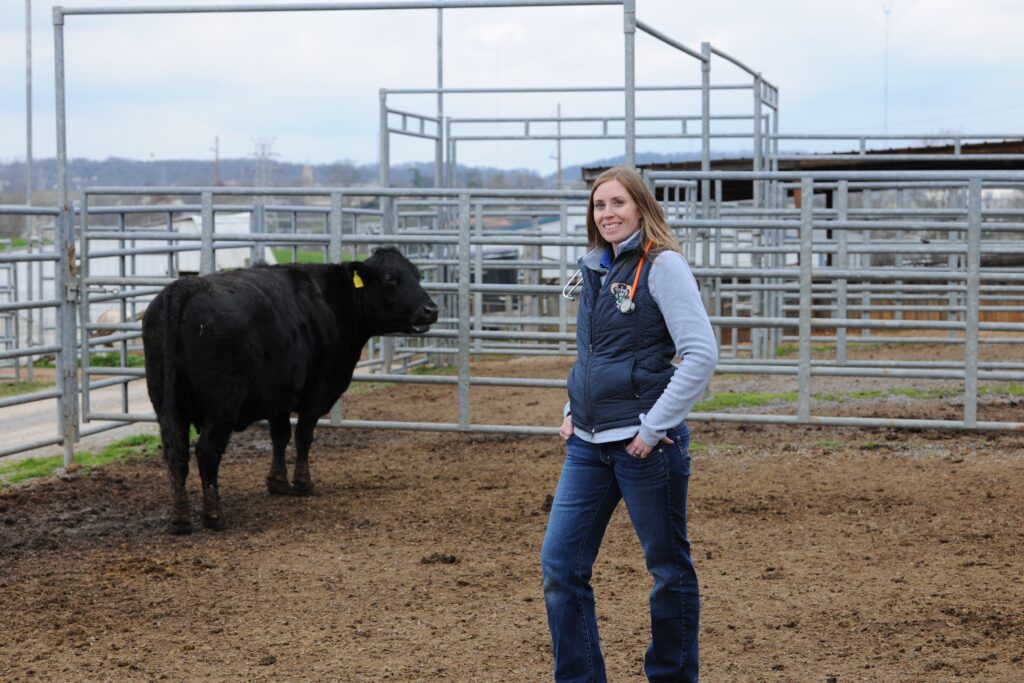
Animal health is an integral part of livestock farming and follows the importance of genomics in producing high-quality and efficient food. At the UT College of Veterinary Medicine, Andrea Lear, associate professor in the Department of Large Animal Clinical Sciences, focuses her research on the long-term impacts of disease or distress during pregnancy on the baby and the development of interventions to reduce negative impacts.
While Rowan studies the genetics passed down from parents to offspring to produce more efficient beef, Lear (PhD comparative and experimental medicine ’19) looks at how genetic expression is impacted by issues such as infection or environmental factors during pregnancy. “An animal’s genome does not change, but a complicated pregnancy can make babies unable to grow as they should,” she says. Lear, a practicing veterinarian in East Tennessee and goat farmer, uses precision animal health strategies to find ways to help individual pregnancies and offspring that can be applicable to the entire herd and industry. A solution could be giving every calf an intervention like a vaccine or immunity boost and be treated as high risk before going to the feed lot, but more work needs to be done before implementing such a practice, she says.
UTIA recently hired two new faculty members in precision animal health who hold joint appointments in the Department of Large Animal Clinical Sciences and the Department of Animal Science. UTCVM also hired a joint position with the UT Health Science Center’s Graduate School of Medicine.
“Using a One Health approach, the interconnections among people, animals, and the environment help us to understand how adverse health events occur, spread, and reside in the community,” says David Anderson, associate dean for research and graduate studies. “These analytical tools allow precise assessment of the factors associated with disease, which in turn helps us to predict, prevent, treat, and protect animals and their owners and stewards.”
Developing Precision Livestock Farming Solutions for Dairy Cows and Broiler Chickens
Precision livestock farming focuses on more than just beef cattle. UTIA faculty also apply genetics and genomics studies to improve cattle management for the benefit of dairy cattle, producers, and consumers. Though fewer in number, the state’s dairy herds are vital to regional economies, and they provide a tangible link between farmers and urban dwellers. Local creameries and farm stores are popular destinations where locally produced commodities like cheese and ice cream are tasty reminders of the value of local farms.
Liz Eckelkamp, associate professor of animal science and director of the Center for Dairy Advancement and Sustainability, leads the Southeast Dairy Business Innovation Initiative. Along with colleagues from across the university and neighboring states, Eckelkamp works to help producers improve dairy business management; invest in farm innovation, like precision technology; and explore value-added opportunities like creameries. The initiative also invests in critical research such as consumer willingness to purchase local products, automated calf feeders, and acclimating a herd to automatic milking systems.
The East Tennessee AgResearch and Education Center is the home of an innovative research facility where two automatic milking systems and a traditional milking system at the Little River Unit are located side by side. Data comparisons are ongoing to assist producers in decision making.
And then there are chickens. Unlike cattle that are easily observed grazing quietly in pastures, most of the state’s 282 million chickens are raised in facilities that house thousands of birds. “With that many animals in such close quarters, precision livestock farming has to take a different approach,” says Tom Tabler, professor of animal science and a key advocate for UTIA’s next-generation broiler production facility—the broiler innovation, research, and demonstration (BIRD) facility. “We plan to examine and use precision livestock farming techniques to address whole flock production through environmental and behavioral observations.”
One example is the development of systems to observe bird behavior in real time. Hao Gan, associate professor of biosystems engineering, and Yang Zhao, associate professor of animal science, along with others, are working on software that uses artificial intelligence to observe the birds and alert producers when they show indications of distress, such as not eating or drinking enough to maintain their health. “The goal is to simultaneously monitor several factors such as ambient temperature, feed and water use, and bird behaviors. If something is off, the software can alert the farmer, who can then implement the appropriate management steps,” says Gan.
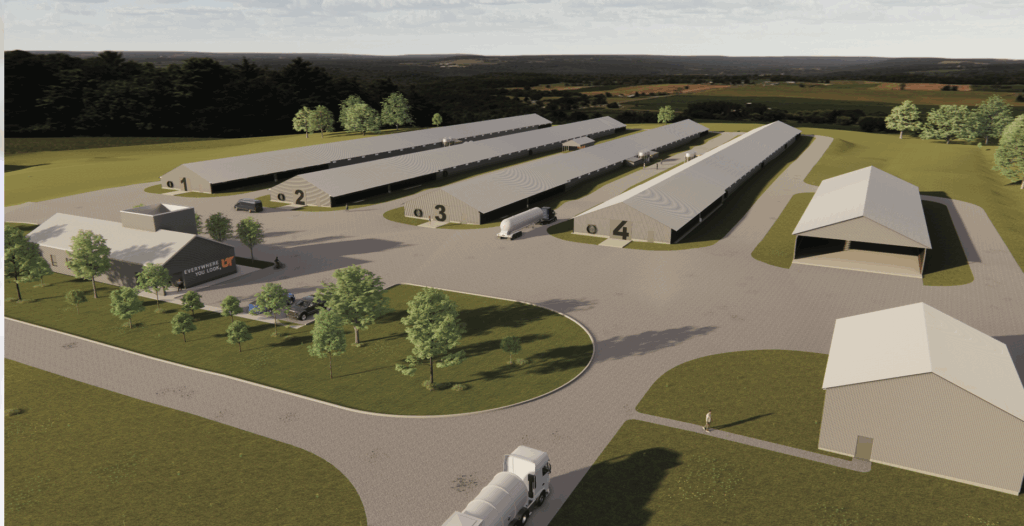
The institute’s BIRD facility is being constructed at the Middle Tennessee AgResearch and Education at Spring Hill. Four commercial-scale production houses will gather data about feed efficiency, water utilization and conservation, animal welfare, litter management, mortality management, and housing equipment such as drinking systems, feeders, lighting programs, sprinklers, fans, and more.
The BIRD facility will also provide students in the Herbert College of Agriculture and the College of Veterinary Medicine opportunities for hands-on experiences in broiler production and will serve as a platform for disseminating best management practices or technologies to producers and allied industries. It also will help educate the general public about food production. The BIRD facility is expected to be the most innovative production facility in the nation.
Continuing Breakthrough Innovations for Tennesseans
UTIA is no stranger to agricultural innovation. In 1962 the AgResearch and Education Center at Milan was established to research techniques to reduce soil erosion in West Tennessee and thus preserve the capacity of the land to support modern crop production. No one called no-till production “farming for the future,” but that’s what it was. More than sixty years later, the center’s research has been credited with serving as a catalyst for the no-till farming movement that made agriculture more environmentally and economically sustainable, not just in Tennessee but all over the world. That tradition continues later this year with the thirty-fourth Milan No-Till Field Day in July.
Hongwei Xin, dean and director of UT AgResearch, says expanding from crops to livestock is the next logical step. “Our pioneering efforts in no-till crop production thrust us onto the world stage, and now our research in precision beef, dairy, and poultry management will position UTIA as a leader in precision livestock farming techniques and in farming for the future.”
Explore More on
Features
MORE FROM THIS ISSUE